25 Years of the Earth Charter: A Legacy of Ethics, Sustainability, and Peace
June 27, 2025

25 Years of the Earth Charter: A Legacy of Ethics, Sustainability, and Peace


At the start of this new millennium, a bold vision took shape - a vision for a just, sustainable, and peaceful world. The Earth Charter, launched in 2000 after years of global consultation and thorough work, became more than just a document; it became a guiding ethical framework for individuals, organizations, and governments to address the world’s most pressing challenges. Rooted in the principles of respect for nature, universal human rights, economic justice, and a culture of peace, the Earth Charter has since influenced international policy, education, and grassroots action across the globe.


Over the past twenty-five years, the Earth Charter has shaped sustainable development initiatives, inspired legal and policy frameworks, and helped integrate ethics into environmental governance. From guiding municipalities in their sustainability efforts to being incorporated into educational curricula worldwide, its impact is undeniable. In an era of environmental and social uncertainty, the Earth Charter should continue to serve as a moral compass for political action.


As we celebrate 25 years of the Earth Charter, we reflect on its achievements, its influence, and the path ahead. In a world facing climate crises, biodiversity loss, and widening inequalities, its principles are more relevant than ever. Now is the time to not only honor its legacy but to reaffirm our commitment to building a sustainable future together.


The Earth Charter and Green Cross International


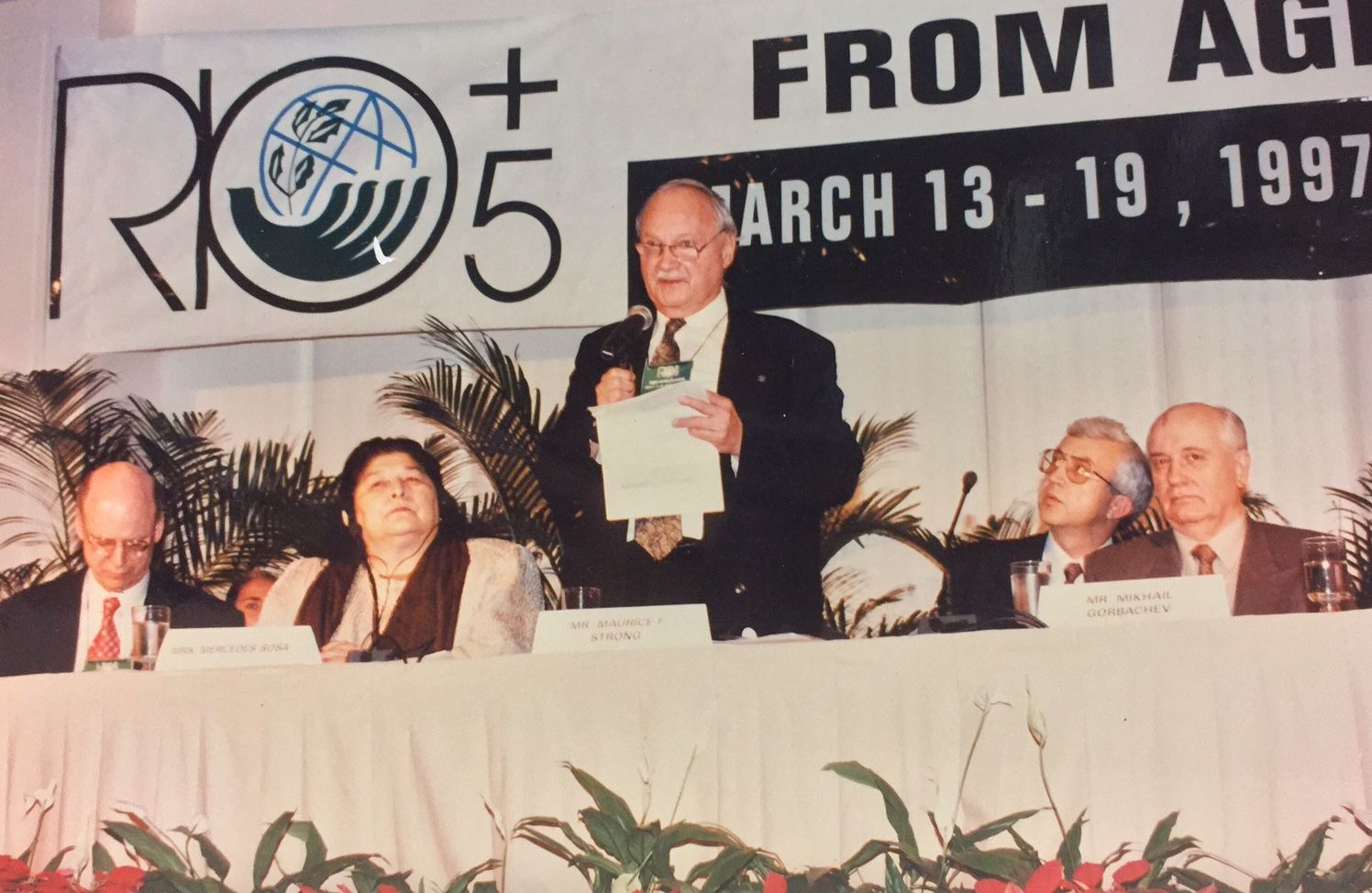
The Earth Charter was not written overnight, its creation traces back to 1987 when the United Nations World Commission on Environment and Development called for a new charter to guide the transition toward sustainable development. This call was answered in 1994 when Mikhail Gorbachev, President of Green Cross International, and Maurice Strong, Secretary-General of the Earth Summit and Chairman of the Earth Council, relaunched the Earth Charter as a civil society initiative. 


To ensure a globally inclusive process, an independent Earth Charter Commission was established in 1997. This Commission oversaw a worldwide consultation process, engaging thousands of individuals and organizations across the world. After numerous drafts and extensive feedback, the final version of the Earth Charter was approved in March 2000 during a meeting at UNESCO headquarters in Paris. The official launch took place on June 29, 2000, at the Peace Palace in The Hague, Netherlands.


For Green Cross International, the Earth Charter is more than a document - it is a shared vision, a guide for action, a part of our DNA. Our history is closely linked to its creation, shaped by Mikhail Gorbachev’s leadership and a shared commitment to tackling global challenges. The Charter’s principles: ecological integrity, social and economic justice, democracy, nonviolence, and peace, are the same values that have guided Green Cross since its founding.


GCI actively integrates the Earth Charter into its initiatives, using it as an ethical framework that complements and empowers other environmental guides, such as the United Nations Sustainable Development Goals (SDGs). This integration ensures that GCI's efforts in areas like water security, renewable energy, and environmental education are grounded in a shared ethical vision, promoting sustainable and equitable solutions for global challenges. ​


We Grow Together - Building The Next Earth Charter Generation


The We Grow Together Summer Camp organised by One World Citizen and with particular initiative as well as enthusiasm of Monique Van Dam, has grown to a must-be gathering year by year for all generations across Europe and beyond, common in their passion for the Earth Charter and the UN SDGs.

Green Cross Sweden and also Green Cross International are happy and proud being able to partner and contribute to its success, also in summer 2025. Especially, also because 2025 is the year of the 25 years anniversary of the Earth Charter!

We Grow Together is all about the youth: Young people are at the core and the ones planning and filling the camp with life and energy! They choose the motto (i), select discussion topics (ii), practise working together in groups on project work (iii), pioneer their own ideas (iv), present well (v) and set the foundations for future collaborations with fellow campers as well as partners (vi). All of this is guided by the Earth Charter and the UN SDGs.

The partners - including Green Cross Sweden - are invited at the end of the camp to join the discussions, listen to what the youth has been working on and try to share their own perspectives and experiences on how to succeed and solve the global and intergenerational problems raised during the camp. Ideally, new partnerships and collaborations can grow!
May 4, 2026
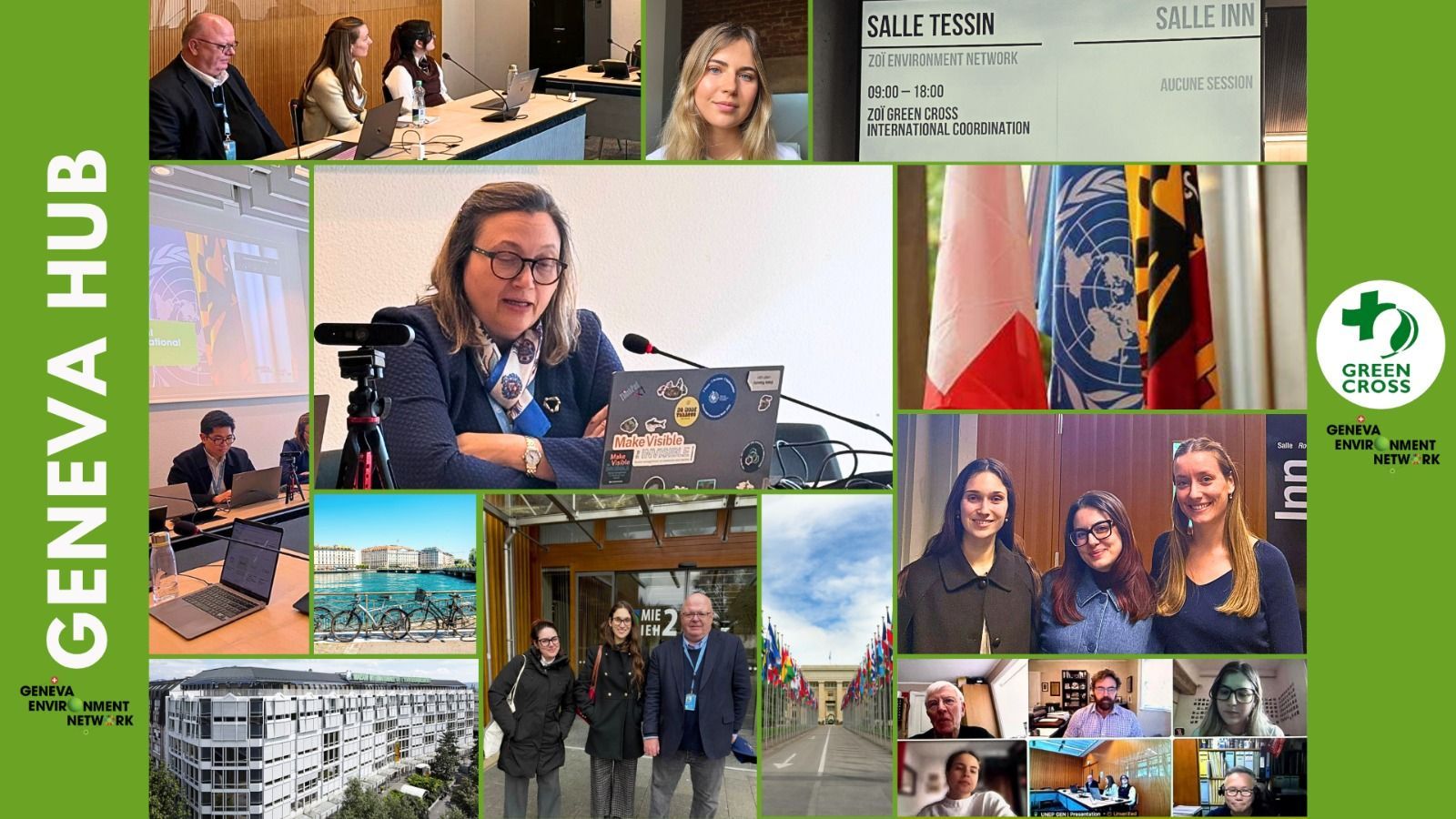
Green Cross International Rejoins the Geneva Environment Network
August 8, 2025
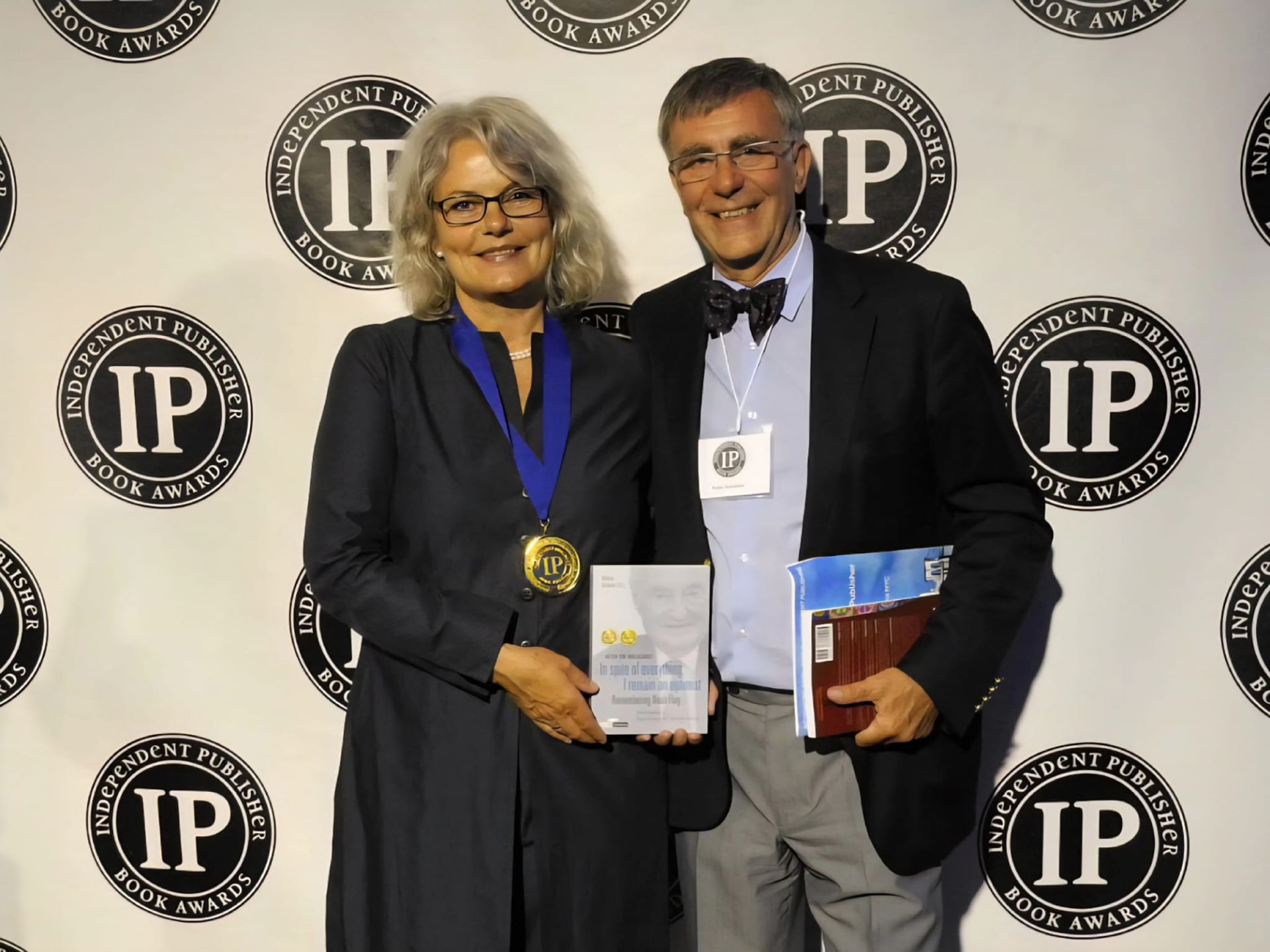
In Tribute to Bettina Schaefer – Celebrated Journalist & Author 29 January 1962 – 6 June 2025
July 22, 2025
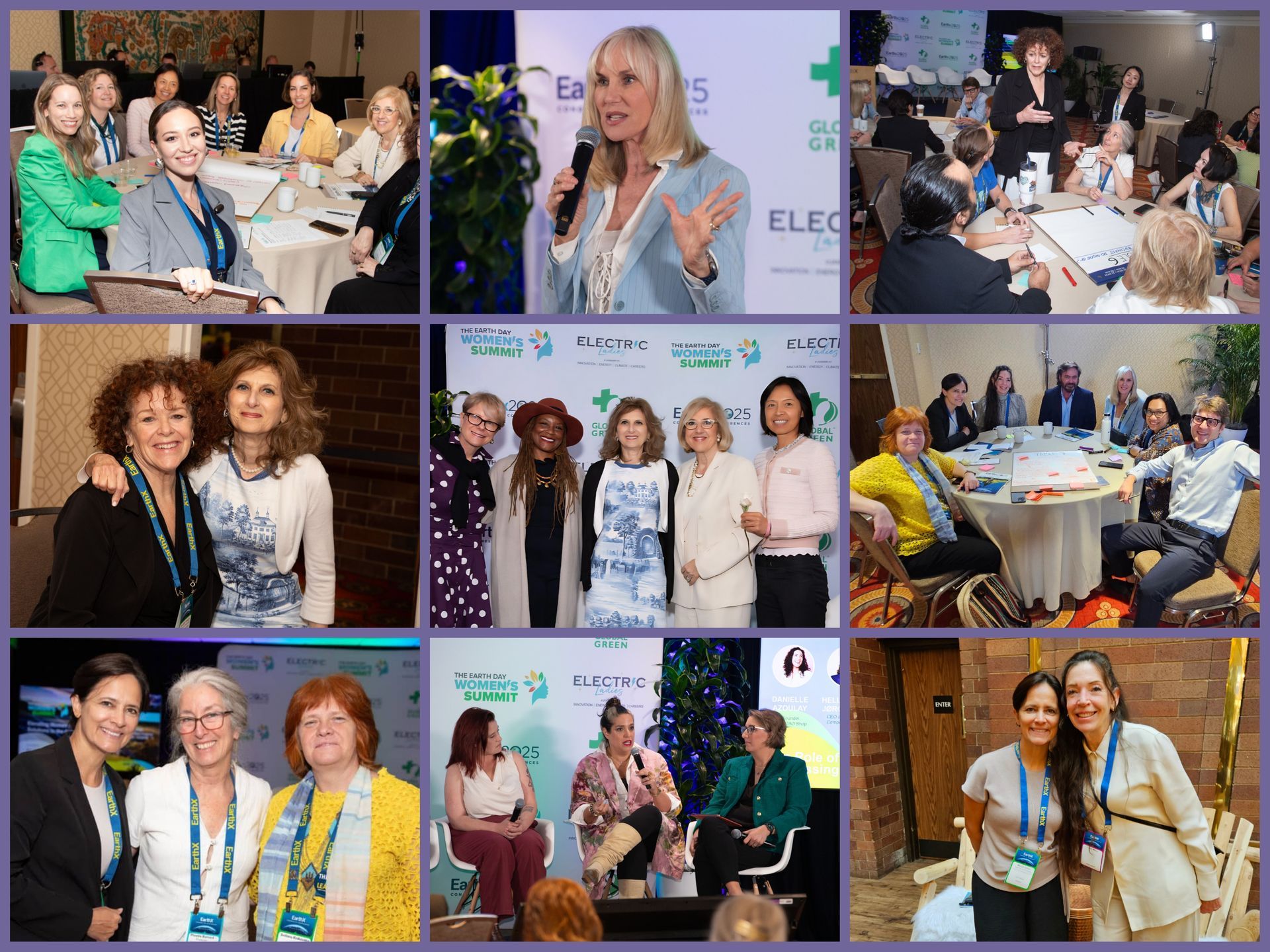
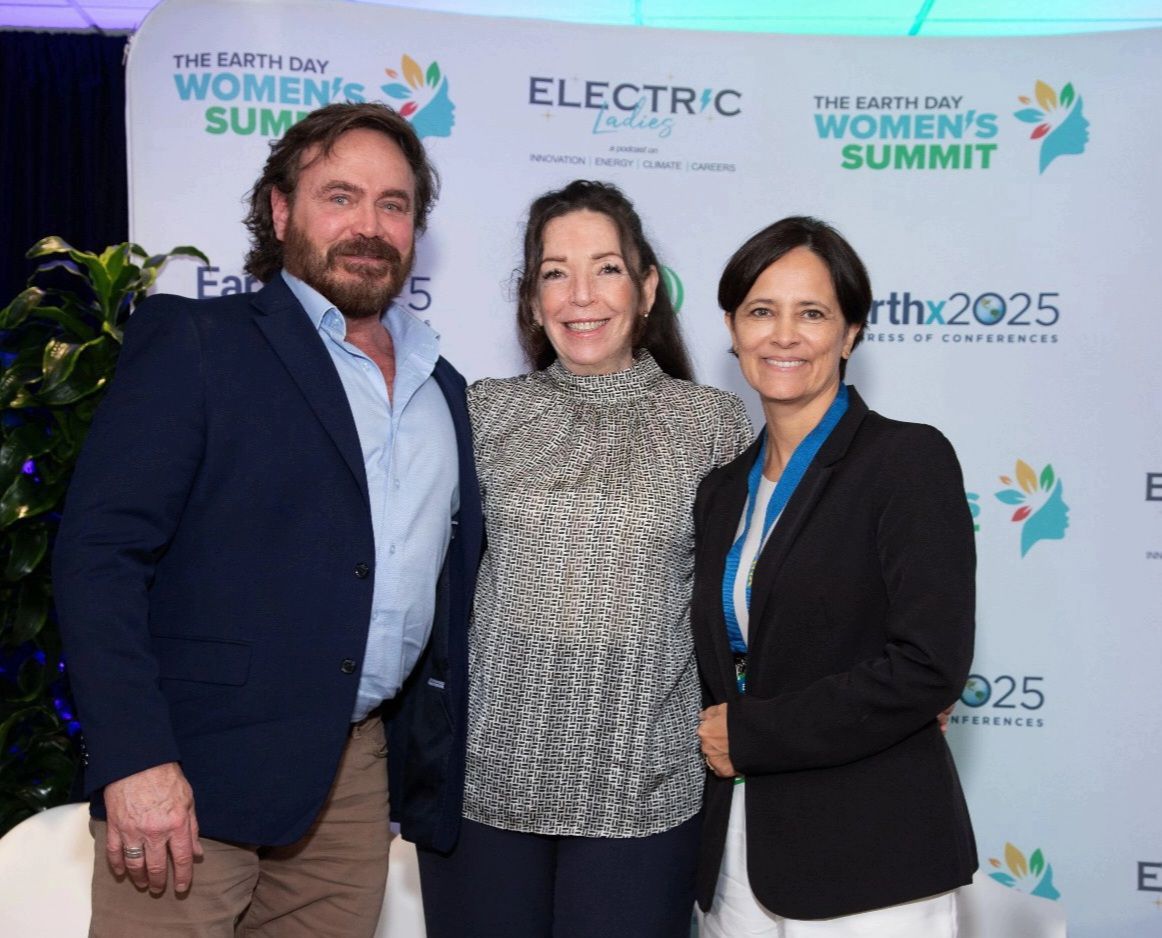
Innovative Strategies that can transform our world and pioneer the future. The Women’s Summit showcased presentations from exceptional and inspirational women.
April 18, 2025
Chemical Weapons in the Baltic Sea By: Major John-Olov Fridh Green Cross Baltic Sea Office, Sweden 
By October 23, 2023
ENVIRONMENTAL SYMPHONY: THE MOVEMENT  UNITED NATIONS DAY CONCERT Performance for the United Nations New York City, United Nations Assembly Hall
March 15, 2023
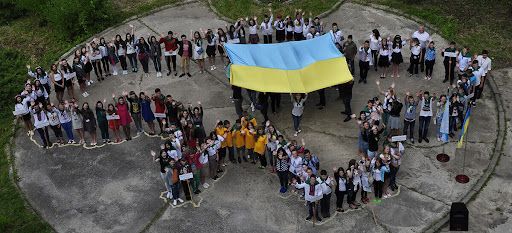
Green Cross Humanitarian Aid to Ukraine Help refugees access to safe and Clean drinking water Help Ukrainian children experience a happy summer
By Ryuji Kuwahara June 15, 2021
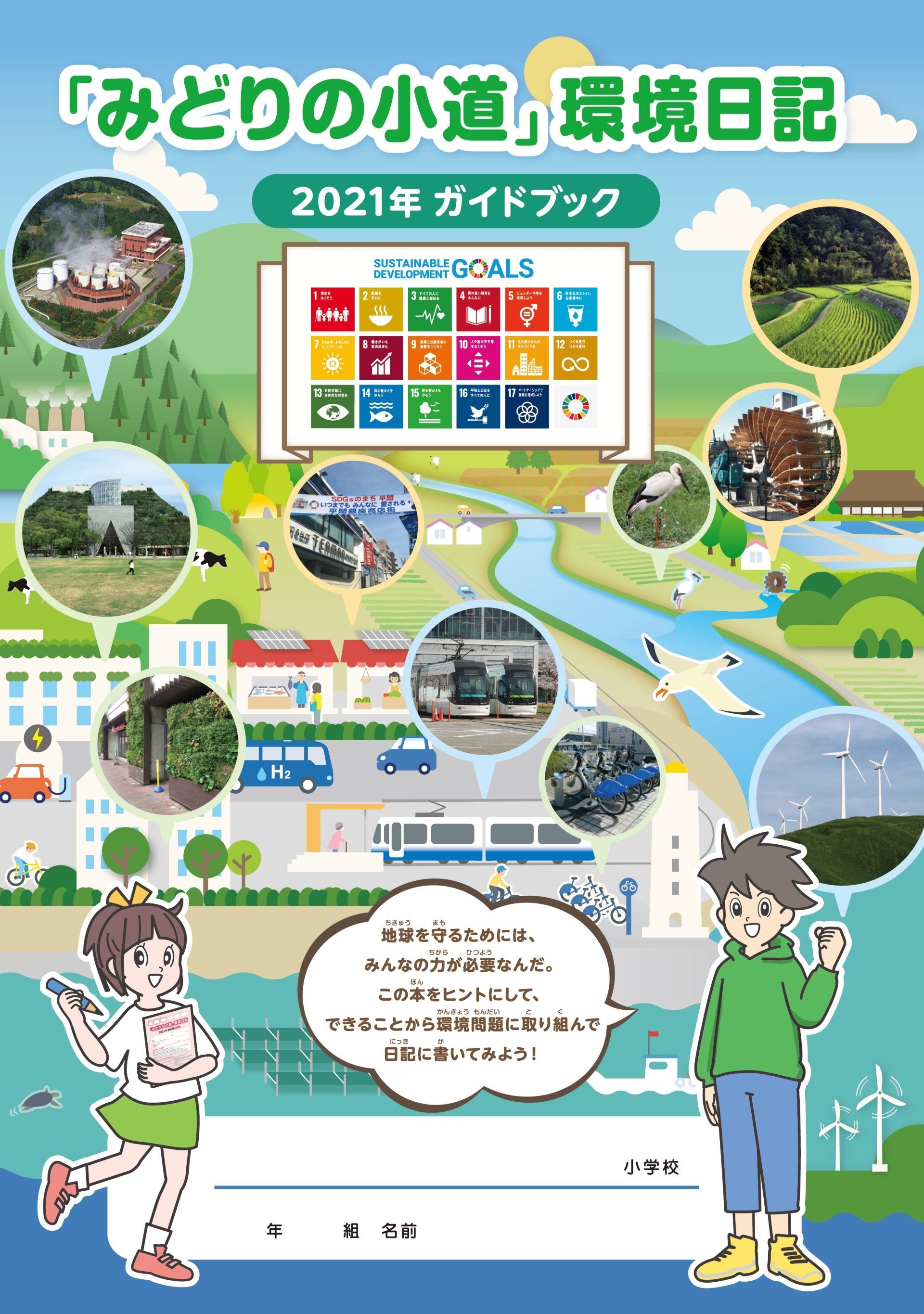
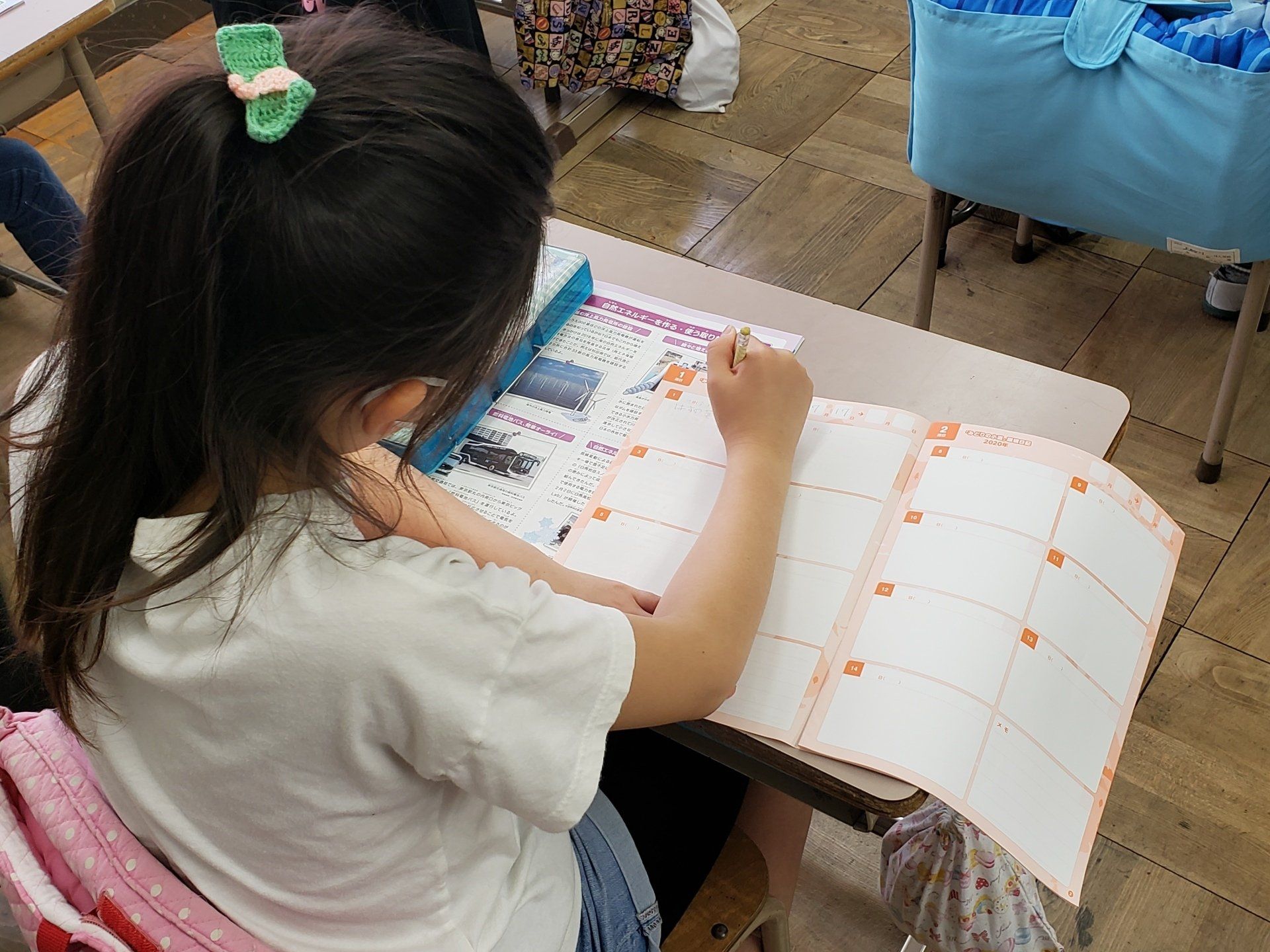
Green Cross Japan published the 2021 version of the Green Lane Diary in May, and began (free of charge) distribution to primary schools nationwide in Japan.
By Andreas Vos April 15, 2021
One of Europe's biggest freshwater lakes. VÄTTERN BELOW THE SURFACE (Documentary 2020) Lake Vättern Below the Surface This documentary brings forth new perspective of Swedish water management. This film is an example of how water management can be risking human health and water quality, not only in Sweden but in countries worldwide. The problem is most of the countries in the western world does not have a functioning water management, nor do they have field personnel or fully employed environmental diving inspectors checking the ecosystem below the surface. Eurofins, a major company in Europe testing for different toxins and substances, can today only provide data on approximately 300 substances. From a average sewer plant there can be an outlet of some 10 000 to a 100 000 chemicals. We cannot see chemicals, but we can see the effects when we dive. What we see are dead ecosystems at the bottom of lakes with algal blooms containing toxic cyanobacteria as a result of chemical discharge. These cyanotoxins are today linked with human diseases such as ALS, Alzheimer's and Parkinson, to name a few. The problem is we don't really know how many toxins there are in our drinking water, or in the food we eat. The film Lake Vättern Below the Surface documents this issue. The international community must begin to reevaluate how we are going to solve this problem. After you view this film some things to consider and discuss are the following topics below. These challenges we now see can easily be solved in a first stage. What is needed is to assess the level of toxic discharge there is in national water systems. We need to begin by digitizing all outlets and create an overview map of the difference in toxins found in the water systems. Then an overall plan can be tailormade made for the infrastructure in country and for the local communities. A common sense example is that placing heavy industrial complexes upstream freshwater lakes which are utilized for drinking water is not a good idea. Sweden has already solved the first stage and created a database showing the direction all water flow in the country, meaning the surface water and most of the groundwater. If a lorry with toxic cargo tips over we can follow the contamination downstream in the database and see how it affects the water system. What the country of Swedish has not realized is that we have laid the foundation for a much bigger database. Within this system we have the possibility to register the toxic discharge that is currently approved by the government. We can for example register into the database the estimated 6,000 covered dumping sites currently leaking toxic wastewater, as well as our thousands of sewer plants, industrial outlets, and the dumping locations of munition materials by Armed Forces. This can be done to provide an overview to assess the impact of the chemical outlets to our water systems. The governments have the necessary data to make this happen. This can be an effective tool to control and stop to sensitive ecosystems and keep our citizens and future generations safe. The next two steps involve diving and field personnel to survey the water systems and assess the state of ecosystems below the surface, in each country. Most important is to begin researching the methods for sampling the thousands of chemicals in our water. If we do not stop the dissemination of toxic chemicals today it could take years into the future before we solve what will become an even greater challenge to provide clean water, which is safe to drink. We need to know what our water contains to keep people, animals and the ecosystem out of harm's way. Water security will also be a major challenge for governments worldwide with the challenge of climate change. Green Cross Sweden, together with Green Cross international, are in talks with the water researchers behind this film to create a pilot studies in several countries that can address this issue or water management internationally on an global scale. Together we can change the world towards a sustainable future. - Andreas Vos Board Member, Green Cross Sweden
By Ryuji Kuwahara March 30, 2021
 Green Cross Japan implemented an environmental education project for school children in 2020. Despite the difficulties posed by the global pandemic, the project has been a success and will continue into 2021.
By Ryuji Kuwahara March 10, 2021
The signing of a contract for a grant from the Japanese Government signified the start of the fourth joint water project between Green Cross Sri Lanka and Green Cross Japan.