By Andreas Vos
•
April 15, 2021
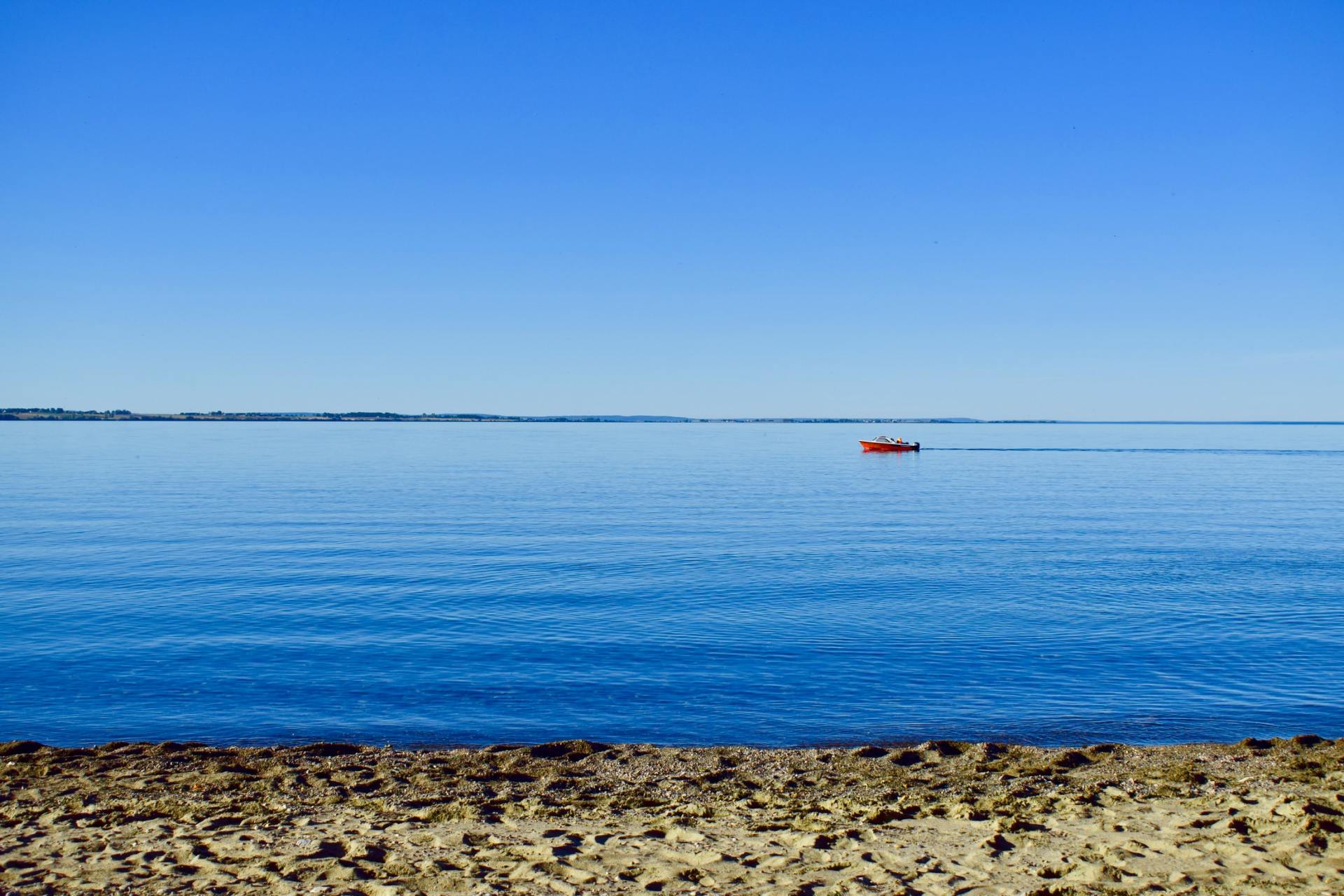
One of Europe's biggest freshwater lakes. VÄTTERN BELOW THE SURFACE (Documentary 2020) Lake Vättern Below the Surface This documentary brings forth new perspective of Swedish water management. This film is an example of how water management can be risking human health and water quality, not only in Sweden but in countries worldwide. The problem is most of the countries in the western world does not have a functioning water management, nor do they have field personnel or fully employed environmental diving inspectors checking the ecosystem below the surface. Eurofins, a major company in Europe testing for different toxins and substances, can today only provide data on approximately 300 substances. From a average sewer plant there can be an outlet of some 10 000 to a 100 000 chemicals. We cannot see chemicals, but we can see the effects when we dive. What we see are dead ecosystems at the bottom of lakes with algal blooms containing toxic cyanobacteria as a result of chemical discharge. These cyanotoxins are today linked with human diseases such as ALS, Alzheimer's and Parkinson, to name a few. The problem is we don't really know how many toxins there are in our drinking water, or in the food we eat. The film Lake Vättern Below the Surface documents this issue. The international community must begin to reevaluate how we are going to solve this problem. After you view this film some things to consider and discuss are the following topics below. These challenges we now see can easily be solved in a first stage. What is needed is to assess the level of toxic discharge there is in national water systems. We need to begin by digitizing all outlets and create an overview map of the difference in toxins found in the water systems. Then an overall plan can be tailormade made for the infrastructure in country and for the local communities. A common sense example is that placing heavy industrial complexes upstream freshwater lakes which are utilized for drinking water is not a good idea. Sweden has already solved the first stage and created a database showing the direction all water flow in the country, meaning the surface water and most of the groundwater. If a lorry with toxic cargo tips over we can follow the contamination downstream in the database and see how it affects the water system. What the country of Swedish has not realized is that we have laid the foundation for a much bigger database. Within this system we have the possibility to register the toxic discharge that is currently approved by the government. We can for example register into the database the estimated 6,000 covered dumping sites currently leaking toxic wastewater, as well as our thousands of sewer plants, industrial outlets, and the dumping locations of munition materials by Armed Forces. This can be done to provide an overview to assess the impact of the chemical outlets to our water systems. The governments have the necessary data to make this happen. This can be an effective tool to control and stop to sensitive ecosystems and keep our citizens and future generations safe. The next two steps involve diving and field personnel to survey the water systems and assess the state of ecosystems below the surface, in each country. Most important is to begin researching the methods for sampling the thousands of chemicals in our water. If we do not stop the dissemination of toxic chemicals today it could take years into the future before we solve what will become an even greater challenge to provide clean water, which is safe to drink. We need to know what our water contains to keep people, animals and the ecosystem out of harm's way. Water security will also be a major challenge for governments worldwide with the challenge of climate change. Green Cross Sweden, together with Green Cross international, are in talks with the water researchers behind this film to create a pilot studies in several countries that can address this issue or water management internationally on an global scale. Together we can change the world towards a sustainable future. - Andreas Vos Board Member, Green Cross Sweden