From Climate Commitments to Climate Action

June 12, 2026

Reflections from World Environment Day in Geneva 
Geneva — 5 June 2026 


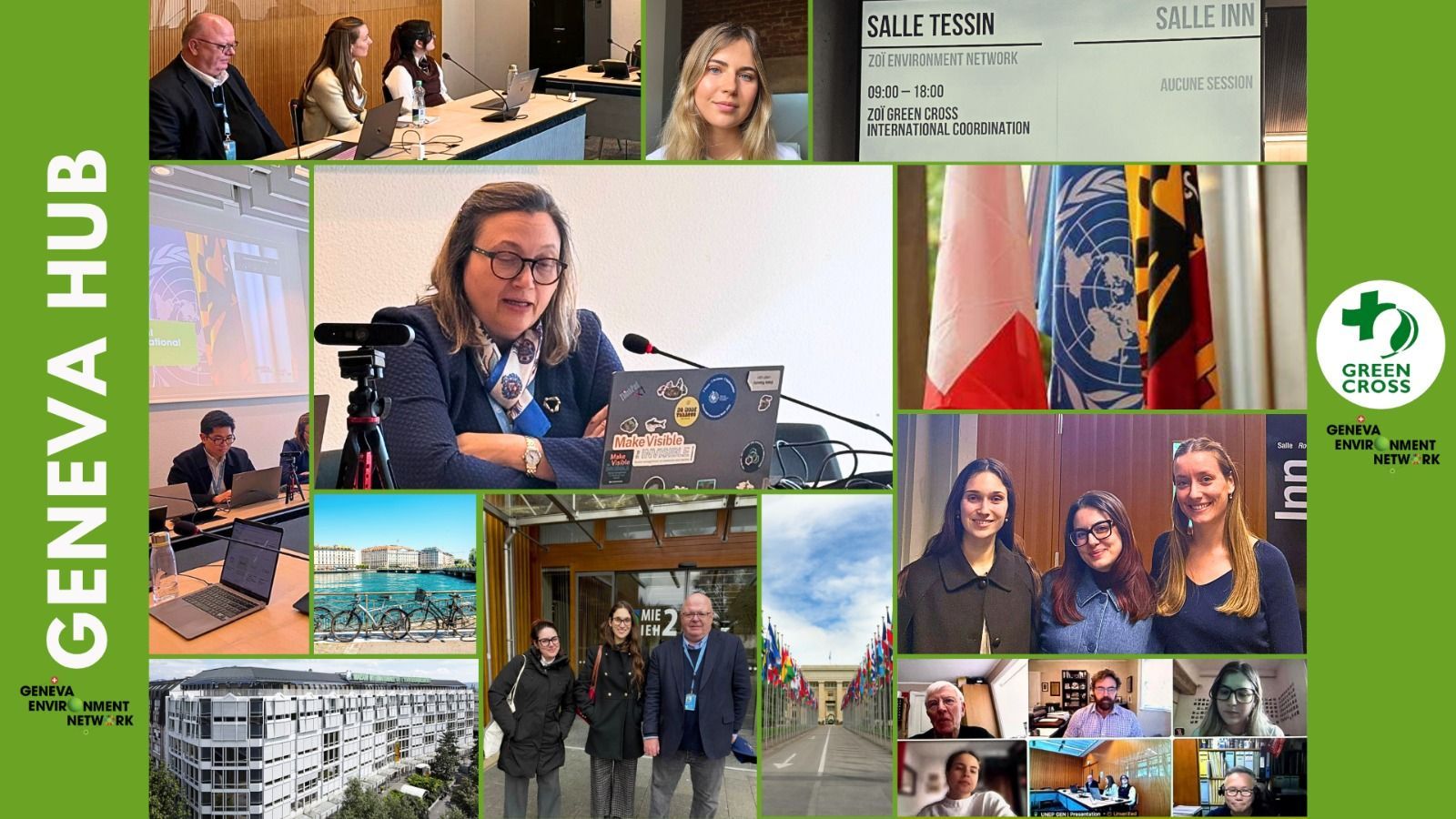
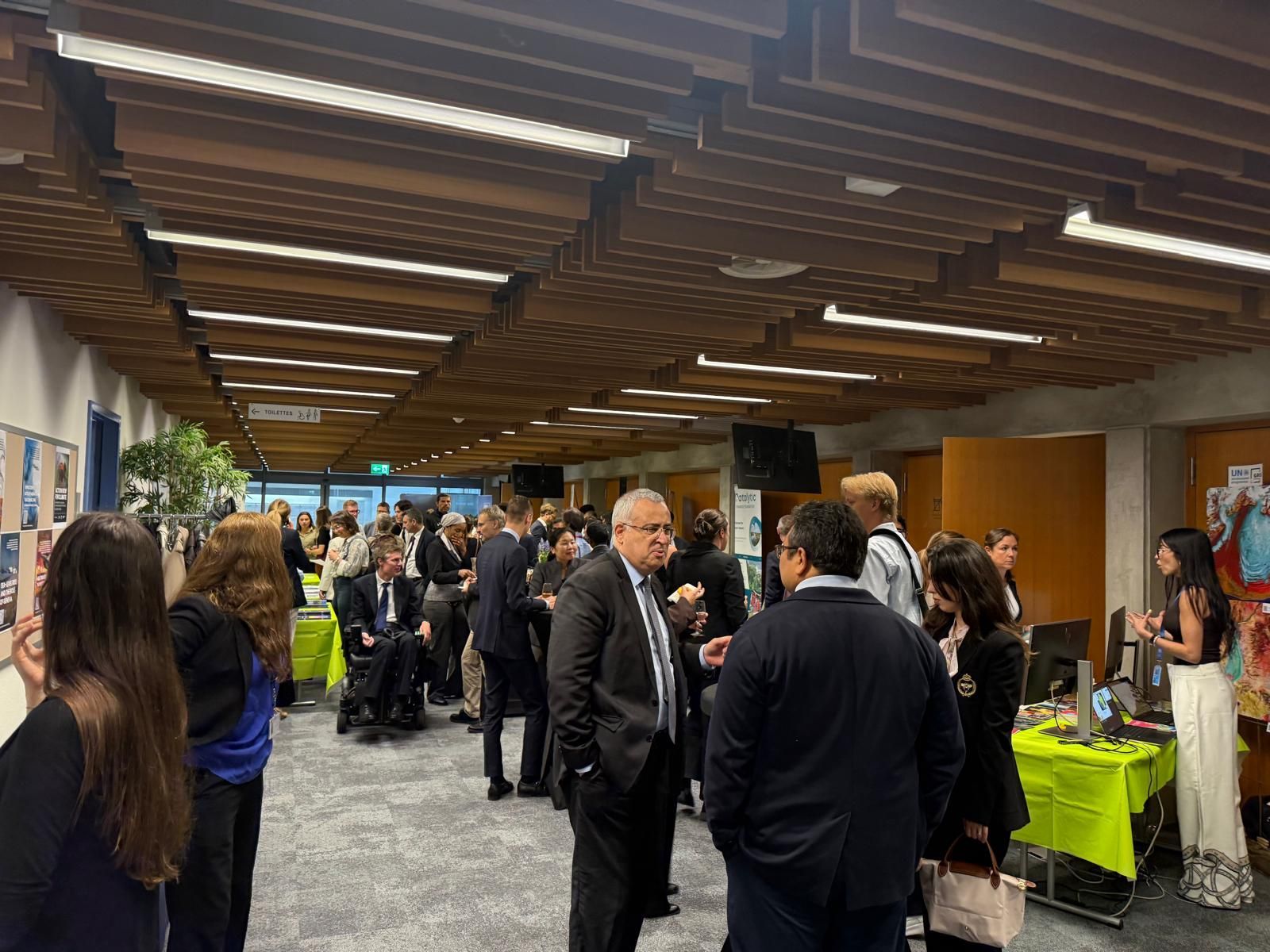
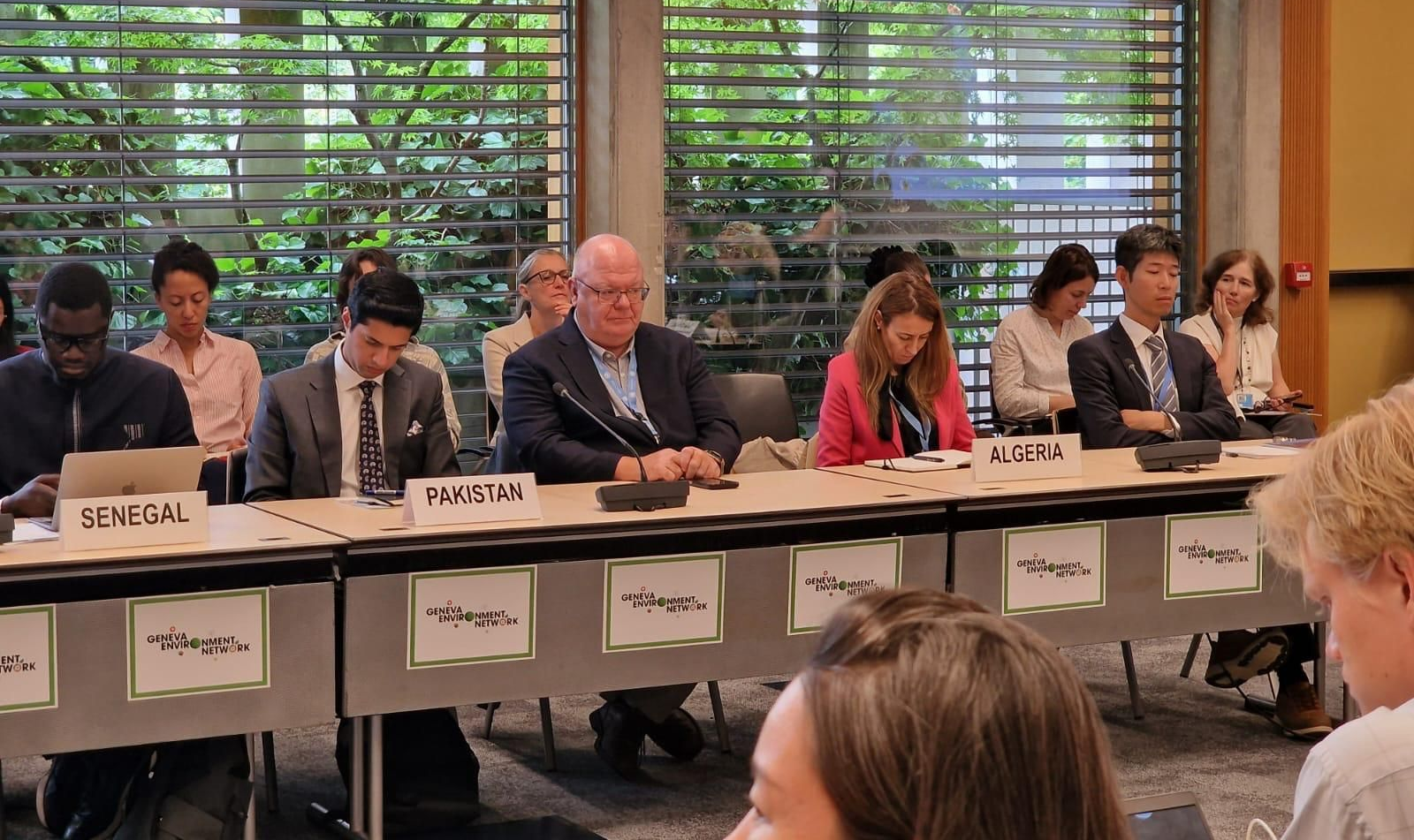
On World Environment Day, governments, international organizations, scientists and civil society representatives gathered at Geneva’s International Environment House for a high-level dialogue on climate change and the road to COP31, which will be hosted by Türkiye later this year. 


Green Cross International participated in the event alongside its partner Zoï Environment Network, engaging with delegates, UN agencies and environmental organizations. The occasion provided an opportunity to present a climate declaration endorsed by 200 NGOs and to strengthen collaboration with stakeholders working across the environmental sector. 


A clear message emerged throughout the discussions: climate crisis is no longer a future threat. Presenting the latest findings from the World Meteorological Organization (WMO), experts highlighted record greenhouse gas concentrations and rising global temperatures. These trends are already translating into more frequent and severe extreme weather events, with consequences being felt by communities around the world. 


At the same time, speakers emphasized that the climate agenda is entering a new phase. The challenge is no longer defining commitments, but implementing them. Achieving climate goals will require coordinated action by governments, businesses, financial institutions, researchers, local authorities and civil society. Cities, in particular, were highlighted as key actors, both because of their vulnerability to climate impacts and their capacity to deliver practical solutions. 


One of the strongest messages to emerge from the dialogue was that climate change cannot be addressed in isolation. Discussions connected climate action with public health, human rights, biodiversity, trade, finance and support for communities experiencing loss and damage. For us, this strongly resonates with our long-standing holistic approach. Climate change is deeply interconnected with health, food security and social stability, requiring solutions that place people at the centre while advancing environmental protection and sustainable development. 


Despite the scale of the challenge, speakers highlighted encouraging progress in areas such as renewable energy, nature-based solutions and local climate action. Many effective responses are already available; the challenge now is to turn them into broader action. 


As preparations for COP31 continue, the dialogue in Geneva served as a reminder that meaningful climate action depends not only on commitments, but on implementation. 


- GCIHQ Team 


STEPS TO A CLIMATE SAFE AND FAIR FUTURE

Key Messages from KlimatSverige (Climate Sweden), a network of NGOs and Climate Movements


Steps for a Rapid and Managed Fossil Fuel Phase-Out


Science is clear: A rapid and managed fossil fuel phase-out is required to stay within the Paris agreement target range. The committed CO2 emissions expected from existing fossil fuel infrastructure exceed the remaining carbon budget consistent with the Paris Agreement target temperature range. Yet governments, companies and investors continue expanding infrastructure for production and consumption of fossil fuels. To consider:


• International Court of Justice declared July 23rd, 2025: States are obliged to tackle climate change

• A global decommissioning plan, a roadmap for phasing out fossil fuel, is required!

• We propose that the 100 largest fossil fuel producing companies, of which half are state-owned, are invited to a workshop to achieve a signed ’Declaration of interest’

• The fossil-fuel producing companies should be offered professional help and tools like the ’1,5°C Business Playbook’ or ’Transition Plan Template’ (Exponential Roadmap Initiative).

• Fossil fuel company profits can be used to finance climate safe energy transition, in exchange for not being prosecuted.


Steps for a Just Transition and Climate Justice


Science is clear: There can be no effective transition to combat Climate Change without climate justice and a just transition. Rich countries and rich people within countries are responsible for the main part of greenhouse gas emissions – both historical and today. To consider:


• An International Agreement on Wealth Taxes is an urgent measure to address destructive and growing social inequalities.

• A comprehensive programme on debt releases for vulnerable states in Global South – in exchange for large scale climate investments,

• Involvement of local and indigenous communities and trade unions in transition agendas


Steps for ecosystem recovery and protection


Science is clear: Ecosystems and natural resources are degrading at an unprecedented pace and extent. Climate Change and ecosystem degradation are interconnected. Our extractive economy is increasingly non-compatible with a sustainable society. To consider:


• An International Ecocide Law must be implemented to enforce large-scale ecosystem crimes.

• Large-scale forest clearing must be prohibited

• Large-scale seafood extraction must be curbed through international agreements

• Large-scale Promotion of Agricultural methods like Agroecology and Regenerative farming

• Implementation of Incentives and measures to enhance natural carbon sinks 


Green Cross is a member of the Climate Network, a coalition of over 200 organizations promoting a fair transition to a climate-neutral future. 


May 4, 2026
Green Cross International Rejoins the Geneva Environment Network
August 8, 2025
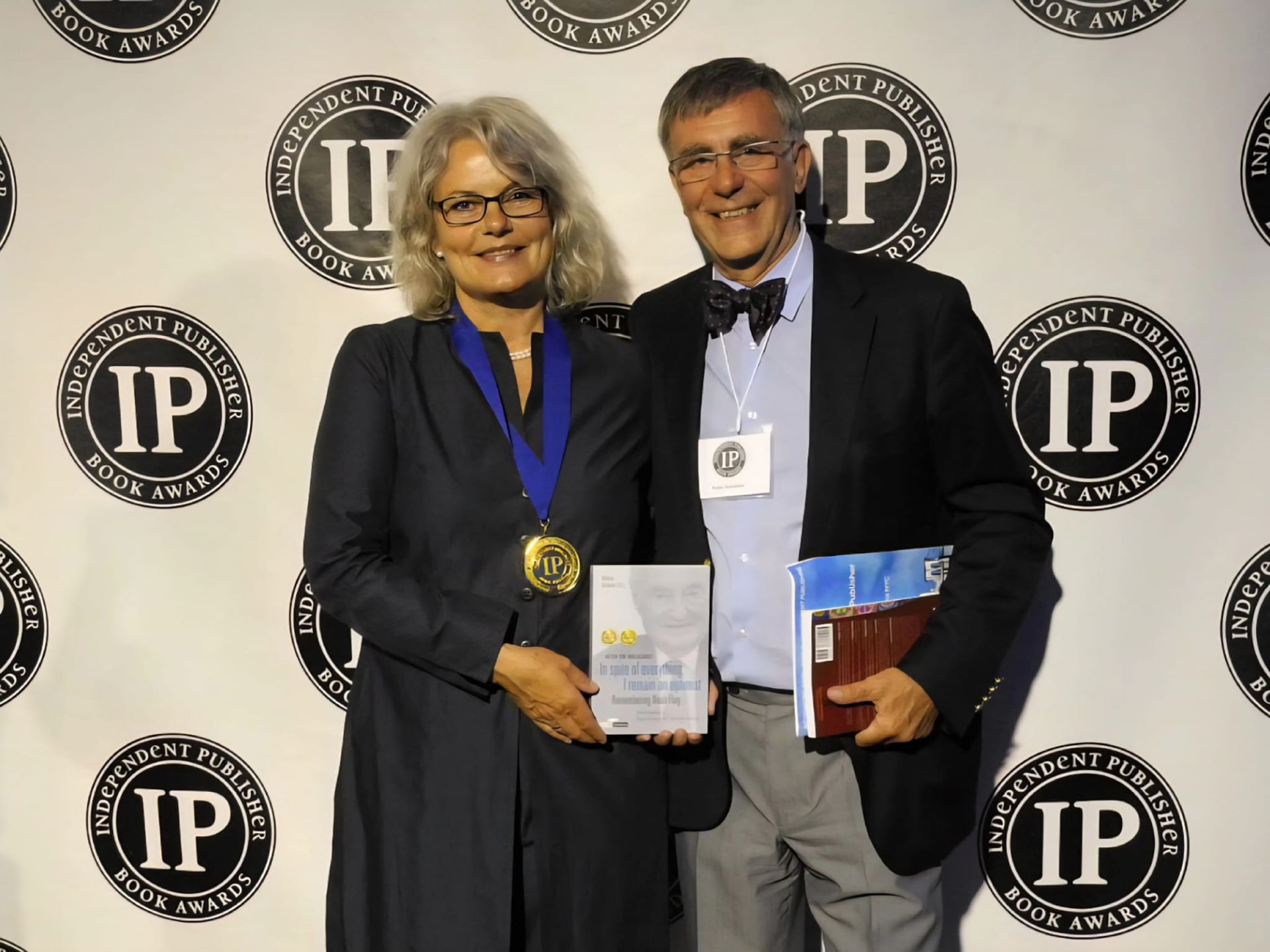
In Tribute to Bettina Schaefer – Celebrated Journalist & Author 29 January 1962 – 6 June 2025
July 22, 2025
Innovative Strategies that can transform our world and pioneer the future. The Women’s Summit showcased presentations from exceptional and inspirational women.
June 27, 2025
25 Years of the Earth Charter: A Legacy of Ethics, Sustainability, and Peace
April 18, 2025
Chemical Weapons in the Baltic Sea By: Major John-Olov Fridh Green Cross Baltic Sea Office, Sweden 
By October 23, 2023
ENVIRONMENTAL SYMPHONY: THE MOVEMENT  UNITED NATIONS DAY CONCERT Performance for the United Nations New York City, United Nations Assembly Hall
March 15, 2023
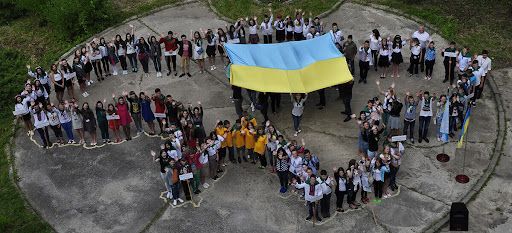
Green Cross Humanitarian Aid to Ukraine Help refugees access to safe and Clean drinking water Help Ukrainian children experience a happy summer
By Ryuji Kuwahara June 15, 2021
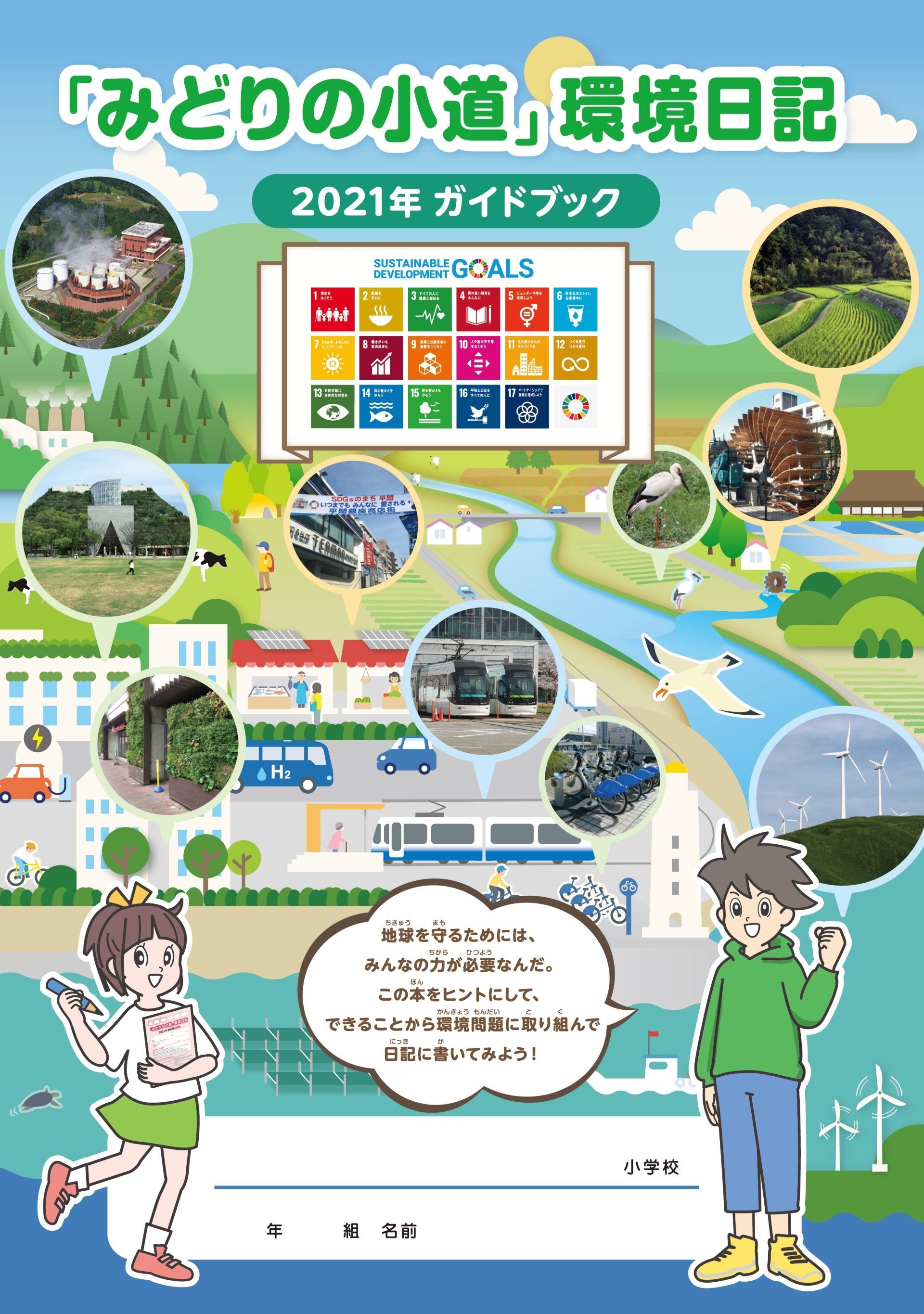
Green Cross Japan published the 2021 version of the Green Lane Diary in May, and began (free of charge) distribution to primary schools nationwide in Japan.
By Andreas Vos April 15, 2021
One of Europe's biggest freshwater lakes. VÄTTERN BELOW THE SURFACE (Documentary 2020) Lake Vättern Below the Surface This documentary brings forth new perspective of Swedish water management. This film is an example of how water management can be risking human health and water quality, not only in Sweden but in countries worldwide. The problem is most of the countries in the western world does not have a functioning water management, nor do they have field personnel or fully employed environmental diving inspectors checking the ecosystem below the surface. Eurofins, a major company in Europe testing for different toxins and substances, can today only provide data on approximately 300 substances. From a average sewer plant there can be an outlet of some 10 000 to a 100 000 chemicals. We cannot see chemicals, but we can see the effects when we dive. What we see are dead ecosystems at the bottom of lakes with algal blooms containing toxic cyanobacteria as a result of chemical discharge. These cyanotoxins are today linked with human diseases such as ALS, Alzheimer's and Parkinson, to name a few. The problem is we don't really know how many toxins there are in our drinking water, or in the food we eat. The film Lake Vättern Below the Surface documents this issue. The international community must begin to reevaluate how we are going to solve this problem. After you view this film some things to consider and discuss are the following topics below. These challenges we now see can easily be solved in a first stage. What is needed is to assess the level of toxic discharge there is in national water systems. We need to begin by digitizing all outlets and create an overview map of the difference in toxins found in the water systems. Then an overall plan can be tailormade made for the infrastructure in country and for the local communities. A common sense example is that placing heavy industrial complexes upstream freshwater lakes which are utilized for drinking water is not a good idea. Sweden has already solved the first stage and created a database showing the direction all water flow in the country, meaning the surface water and most of the groundwater. If a lorry with toxic cargo tips over we can follow the contamination downstream in the database and see how it affects the water system. What the country of Swedish has not realized is that we have laid the foundation for a much bigger database. Within this system we have the possibility to register the toxic discharge that is currently approved by the government. We can for example register into the database the estimated 6,000 covered dumping sites currently leaking toxic wastewater, as well as our thousands of sewer plants, industrial outlets, and the dumping locations of munition materials by Armed Forces. This can be done to provide an overview to assess the impact of the chemical outlets to our water systems. The governments have the necessary data to make this happen. This can be an effective tool to control and stop to sensitive ecosystems and keep our citizens and future generations safe. The next two steps involve diving and field personnel to survey the water systems and assess the state of ecosystems below the surface, in each country. Most important is to begin researching the methods for sampling the thousands of chemicals in our water. If we do not stop the dissemination of toxic chemicals today it could take years into the future before we solve what will become an even greater challenge to provide clean water, which is safe to drink. We need to know what our water contains to keep people, animals and the ecosystem out of harm's way. Water security will also be a major challenge for governments worldwide with the challenge of climate change. Green Cross Sweden, together with Green Cross international, are in talks with the water researchers behind this film to create a pilot studies in several countries that can address this issue or water management internationally on an global scale. Together we can change the world towards a sustainable future. - Andreas Vos Board Member, Green Cross Sweden
By Ryuji Kuwahara March 30, 2021
 Green Cross Japan implemented an environmental education project for school children in 2020. Despite the difficulties posed by the global pandemic, the project has been a success and will continue into 2021.