In My Homeland: Connecting Young Artists Across Borders Through Art
Bringing Young People Together Through Art, Culture and Environmental Awareness
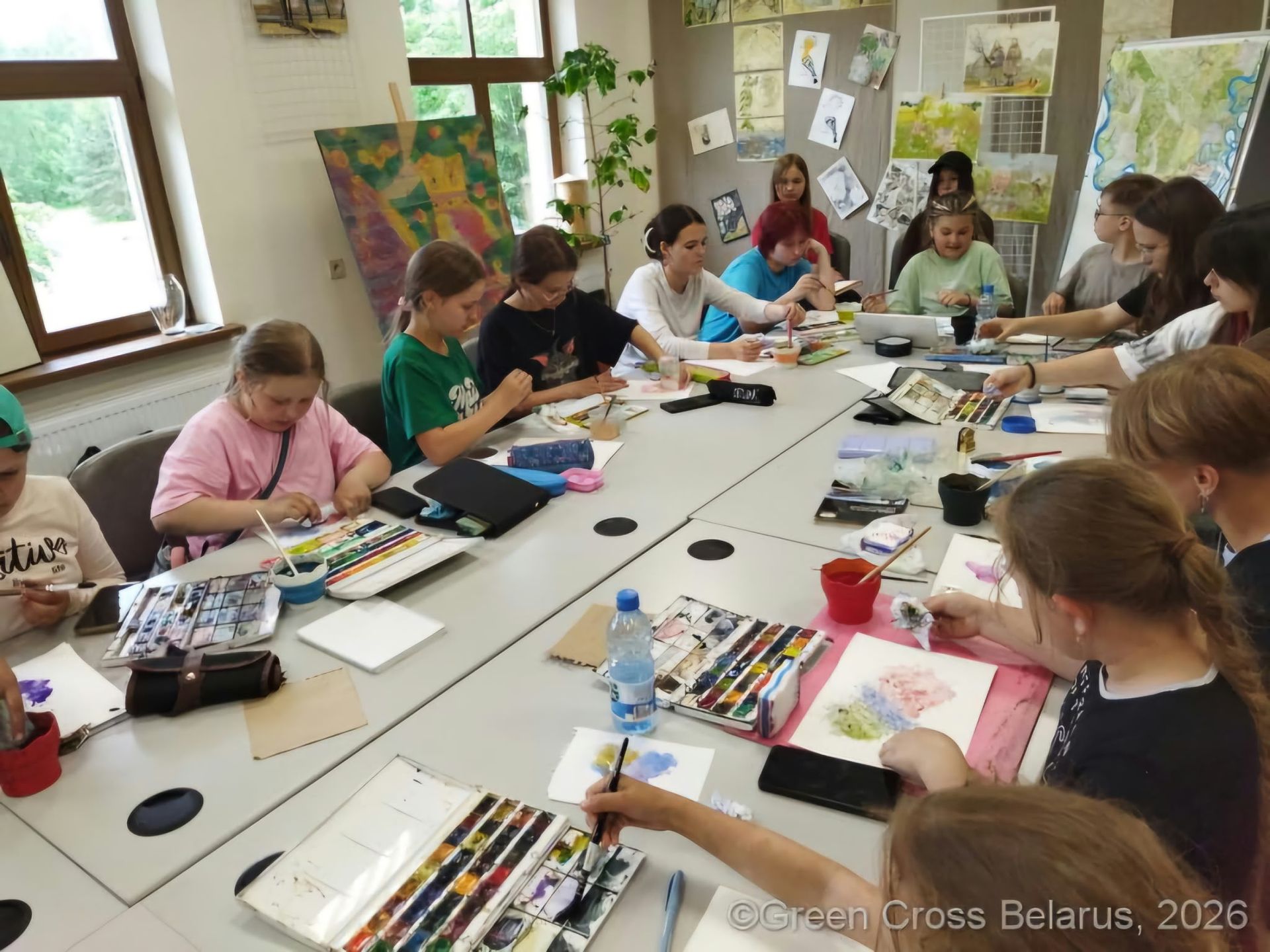
Across borders and cultures, young people often find common ground in the simplest forms of expression. A colour, a landscape, a familiar place, or an imagined creature can become a way of sharing how we see the world.
This idea lies at the heart of “In My Homeland”, an international ecological art project organised annually by Green Cross Belarus in cooperation with the Ministry of Natural Resources and Environmental Protection of the Republic of Belarus. Aligned with the UN Sustainable Development Goals, Agenda 21, and the Earth Charter, the project aims to foster environmental culture, inspire youth to care for their native land, and strengthen international cooperation. Throughout 2026, the initiative brought together young artists from different countries and regions through exhibitions, creative activities, and dialogue.
A Growing Legacy of Global Creative Dialogue
Over its history, "In My Homeland" has evolved into a major global initiative spanning 21 festivals and broad-ranging competitions that have reached over 230,000 children from Belarus and more than 60 countries. Recognized by international partners, including Chinese colleagues who consider it one of the three most prestigious art competitions in the world, the project was awarded the Grand Prix of the International Ecological Prize "Ecomir" in 2008 and was presented at the Council of Europe in 2011.
While fine arts remain central, the initiative encompasses diverse creative disciplines over the years, including photography, animation, applied arts, literary and local history contests, and school environmental projects. Its public outreach includes 87 exhibitions held across Belarus and internationally, as well as permanent exhibition sets donated to educational and medical institutions, such as the Republican Children's Oncohematology Center
Global Reach - Participating countries (2006-2025)
Between 2006 and 2025, young creators from 63 countries and territories have contributed their art, stories, and perspectives to the project:
Europe: Belarus, Bosnia and Herzegovina, Bulgaria, Croatia, Estonia, Germany, Greece, Hungary, Ireland, Latvia, Lithuania, Moldova, Netherlands, North Macedonia, Poland, Portugal, Romania, Russia, Serbia, Slovakia, Slovenia, Spain, Ukraine, United Kingdom
Asia and Pacific: Armenia, Azerbaijan, Bangladesh, China, Georgia, Hong Kong, India, Indonesia, Iran, Israel, Japan, Kazakhstan, Kyrgyzstan, Malaysia, Pakistan, Philippines, Qatar, Singapore, South Korea, Sri Lanka, Taiwan, Tajikistan, Thailand, Turkey, United Arab Emirates, Uzbekistan
Americas: Argentina, Brazil, Canada, United States
Africa: Bahrain, Kenya, Morocco, Mozambique, Namibia
Oceania: Australia
A World Seen Through Young Artists’ Eyes
From 7 April to 7 June 2026, the
In My Homeland exhibition was held at the Far Eastern Art Museum in Khabarovsk, opening a new chapter of cooperation between Khabarovsk and Green Cross Belarus.
The exhibition presented works by young artists from 17 countries: Belarus, Bulgaria, Hungary, India, Spain, Kazakhstan, China, Kyrgyzstan, Moldova, Poland, Russia, North Macedonia, Serbia, Slovenia, Thailand, Turkey and Uzbekistan.
Participants were invited to express themselves through a variety of creative formats, including “My Window,” “Collage,” “Sketch,” and “Series,” alongside the traditional open theme, “In My Homeland.” Together, the works offered a colourful and diverse collection of perspectives on the places and worlds that young artists call their own.
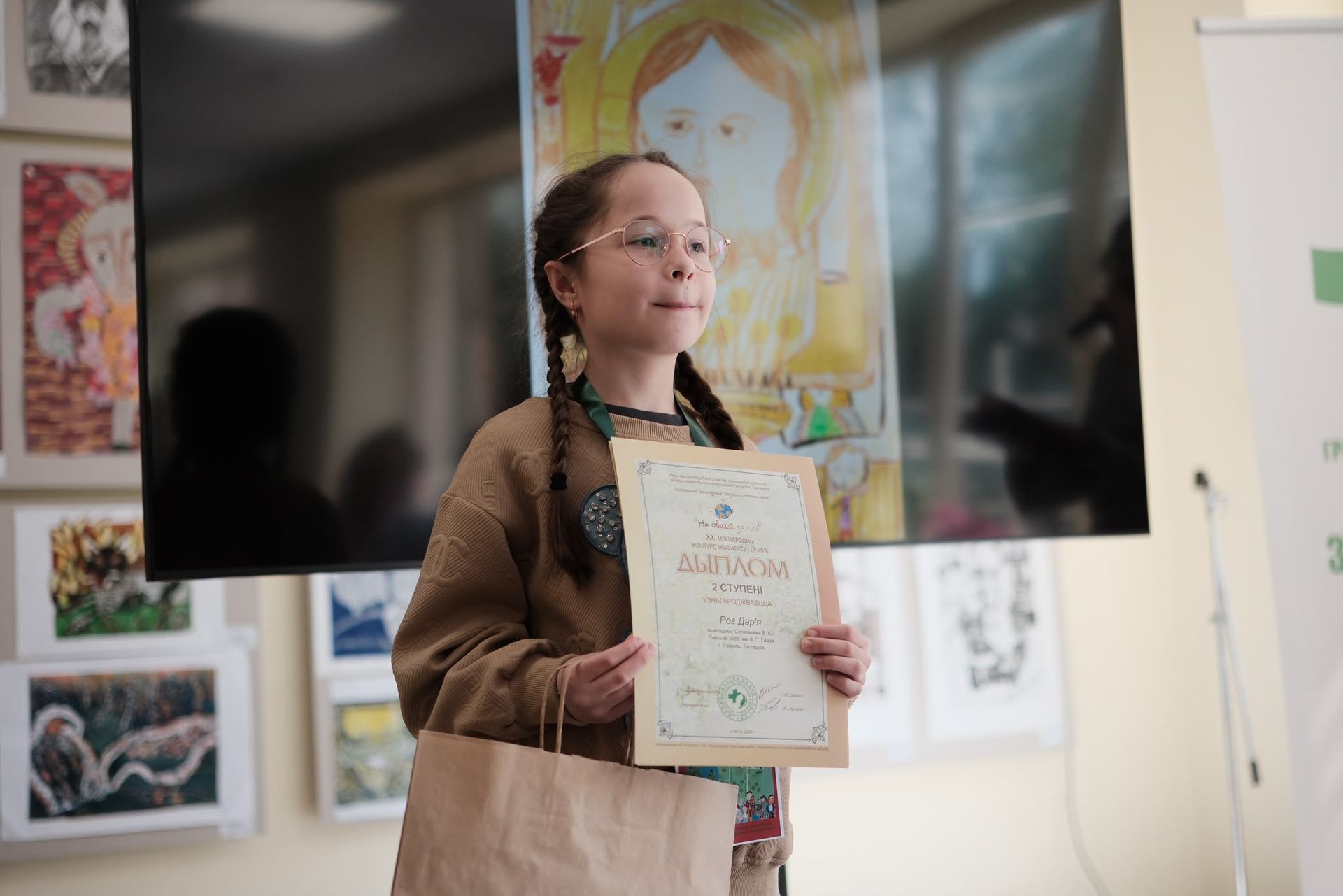
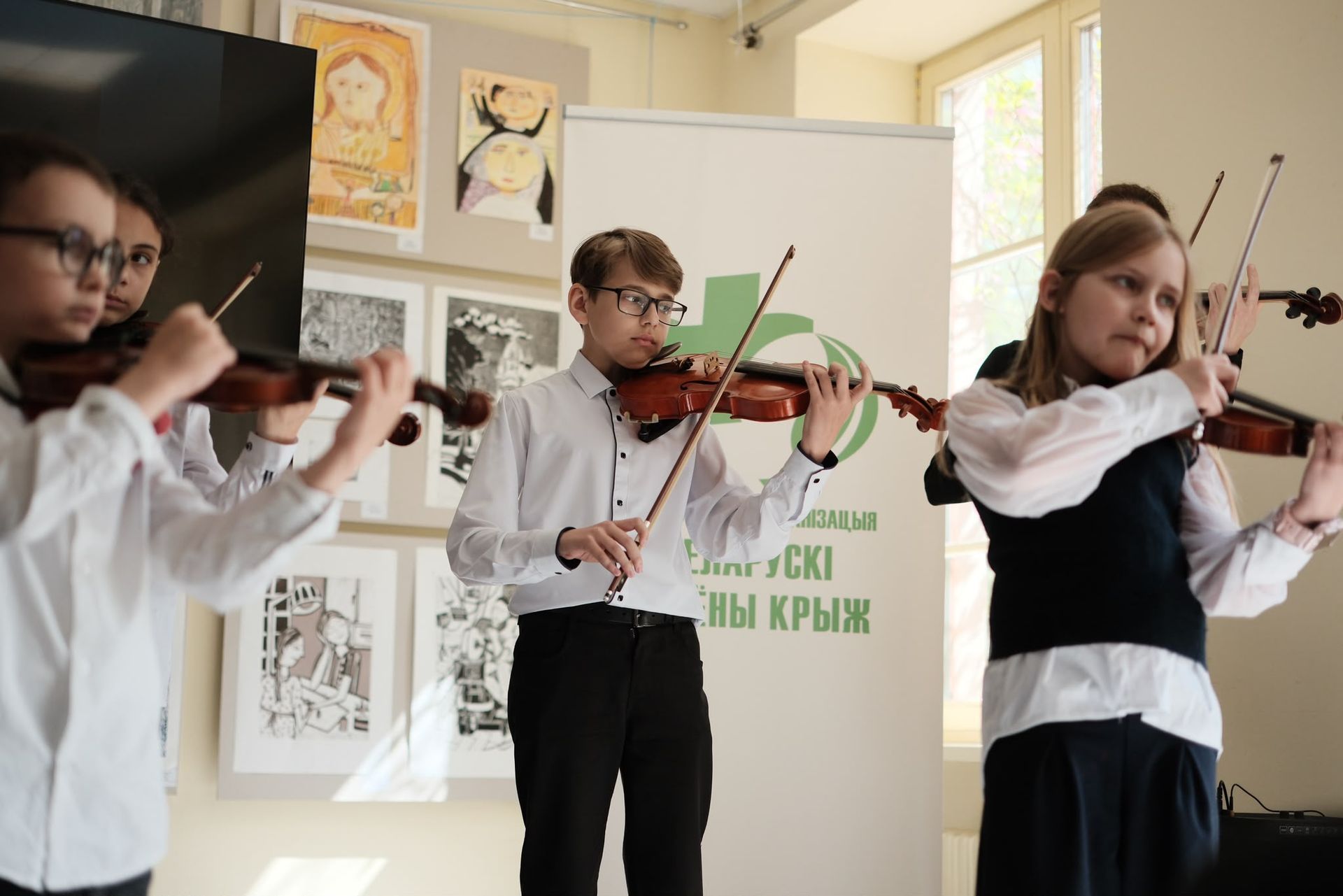
The project also extended beyond the exhibition space. On 10 June, students from art schools and studios in Minsk and Gusev, Kaliningrad Region, took part in an International Open Plein-Air Competition at the Ecology and Health Center of Green Cross Belarus.
As part of the programme, the students participated in a master class in kletskography (blotography), a technique that encourages imagination, creative thinking and a sense of shape. Starting with multicoloured watercolour spots, they transformed abstract forms into recognisable images of animals, mythical creatures, people, natural landscapes and architectural objects. Some even incorporated impressions from their visit to Mir and Nesvizh the previous day into their creations.
Art as a Space for Dialogue
The international dimension of In My Homeland was further explored during a roundtable discussion held on 18 August at the Green Cross Ecology and Health Center.
Members of the Kazan branch of the Professional Union of Artists of the CIS examined the final exhibition of the 21st International Painting and Graphics Competition “In My Homeland” and discussed the works that had made the strongest impression on them.
Participants were invited to select up to three works that delighted or repelled them and to explain their choices. Some were particularly impressed by the skilful use of colour, while others appreciated the emotional simplicity of the graphics. Other works proved more difficult to understand, largely because of cultural differences, unfamiliar subjects or different artistic approaches.
The discussion highlighted how differently the same artwork can be perceived depending on the cultural and personal perspective of the viewer. Among the guests were Kuno Kazuhiro, Ambassador of Japan to Belarus, and Kim Jeong-ha, Ambassador of the Republic of Korea to Belarus, who expressed their support for the ideas behind the project.
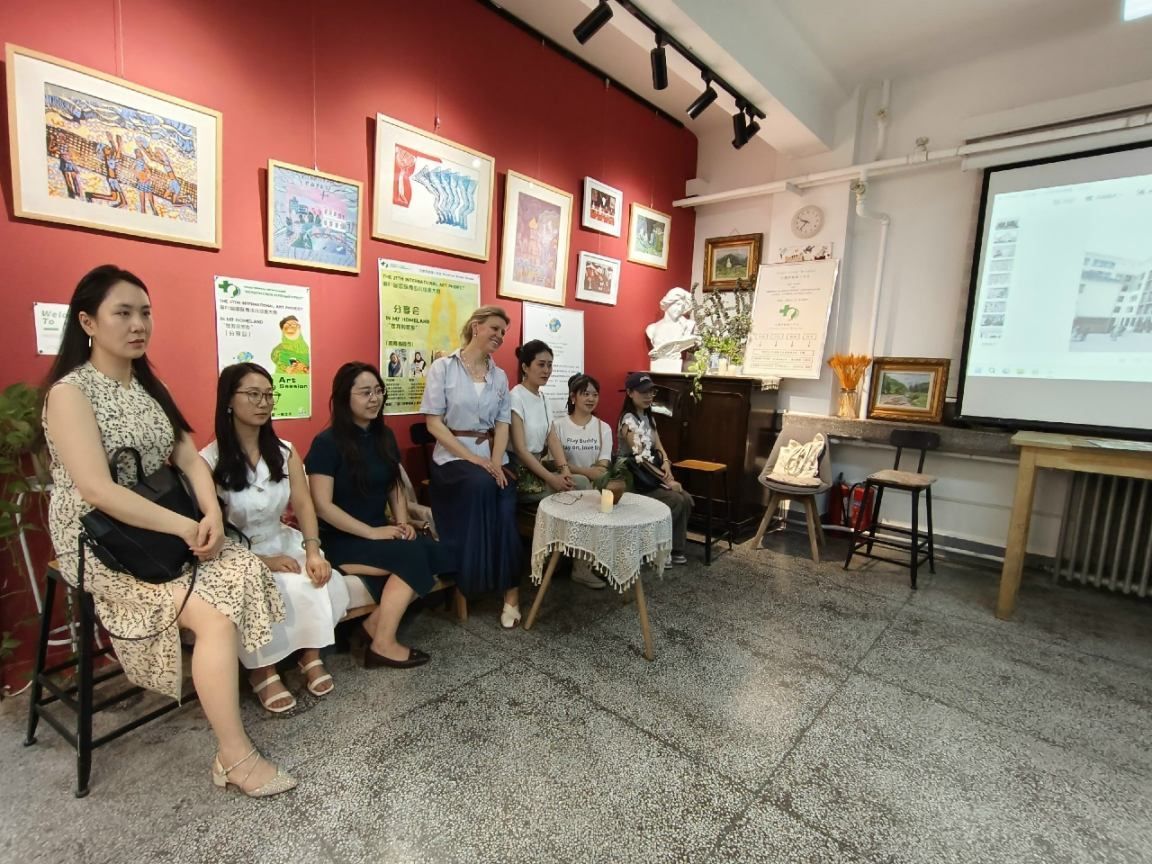
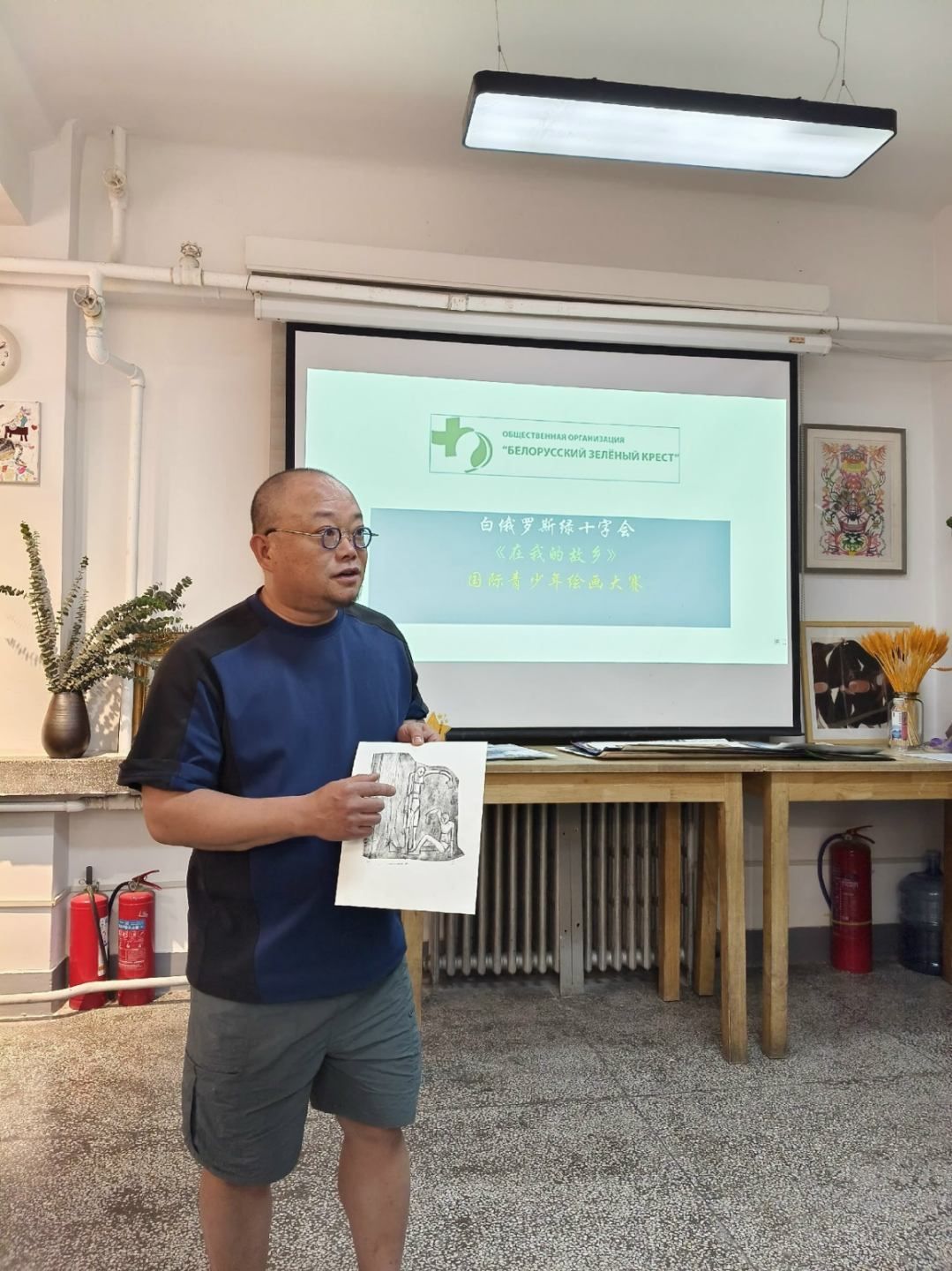
Building further on this international collaboration, July marked our second series of meetings with Chinese educators. During these sessions, we showcased a curated selection of artworks from the “In my homeland” project, engaging insightful discussion and inviting the teachers to identify and evaluate the most compelling pieces. Alongside these collaborative sessions, we proudly launched an exhibition of the projects' winning artworks at the Zhangye Lu Primary School, giving the children a guided tour. The enthusiastic response from the principal, students, and their families was deeply rewarding, and we are already looking forward to expanding this outreach with an upcoming xhibition at the city museum.
Building Bridges Through Creativity
Beyond the artworks themselves, In My Homeland reflects the values that Green Cross International seeks to promote: dialogue across borders, mutual understanding, cultural exchange and appreciation of our shared natural and cultural heritage.
By bringing young people from different backgrounds together through creativity, the project shows how art can transcend borders and create space for new perspectives, conversation and connection.
Sometimes, building bridges begins with something as simple as putting colour on paper.
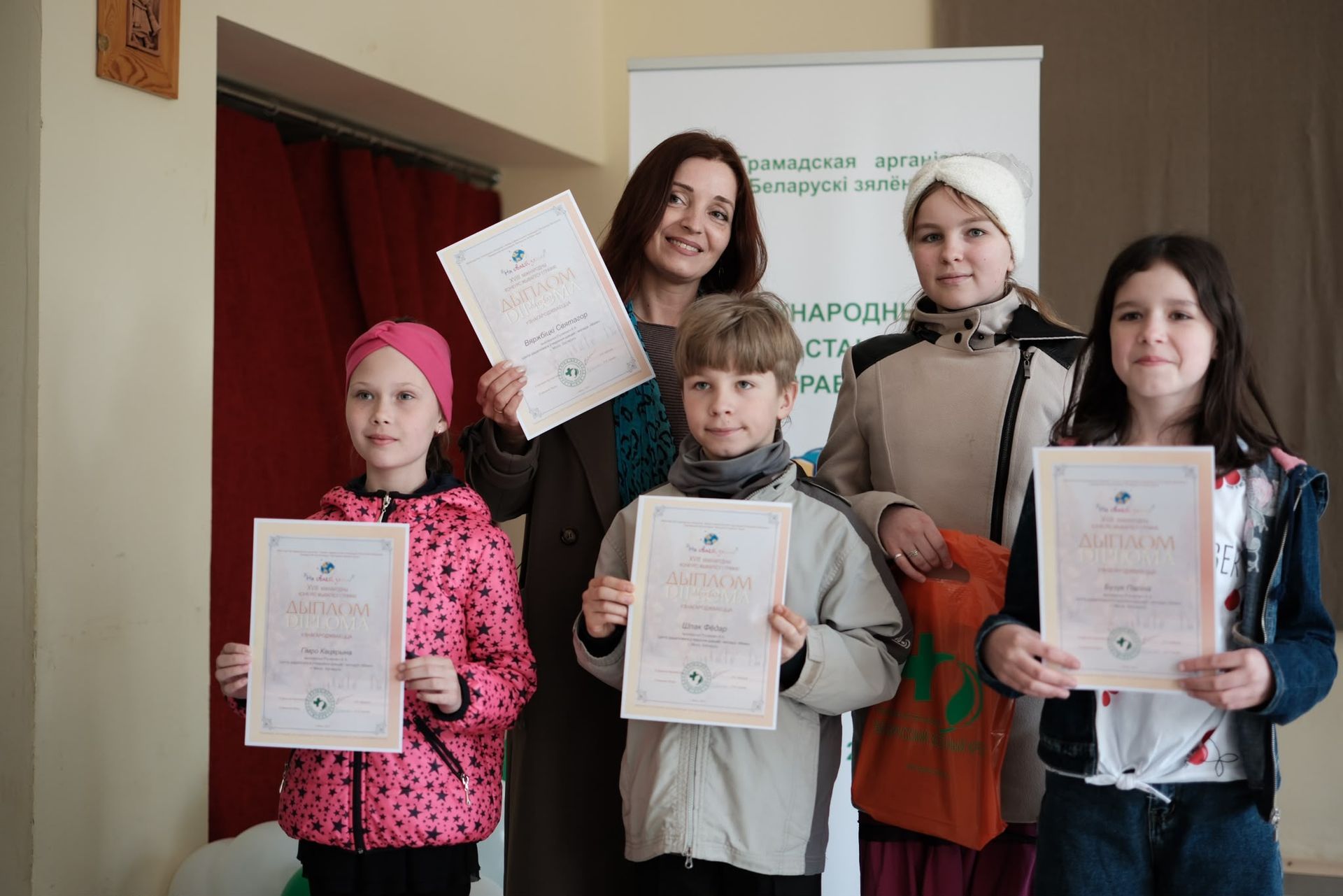
To see the full video, please follow this link: https://www.youtube.com/watch?v=4TOiD3nOLZo
If you'd like to know more about the initiative, please contact
Vladimir Shevtsov at gcb@greencross.by or
https://www.greencross.by/
GCI Headquarters Team