Let Water Unite Us: Replacing War Narratives with Health and Peace
Let Water Unite Us: Replacing War Narratives with Health and Peace
Why the "Water Wars" Narrative is Wrong, and HowTransboundary Rivers Actually Drive Global Cooperation.

Every few months, a familiar headline makes its way across global new feeds: "Water conflicts are coming".
From debates ver dams along the Nile to legal disputes in South Asia, media narratives routinely frame freshwater as the next primary driver of military conflicts. The logic seems simple: as climate change accelerates and droughts deepen, nations will eventually take up arms to secure what is left.
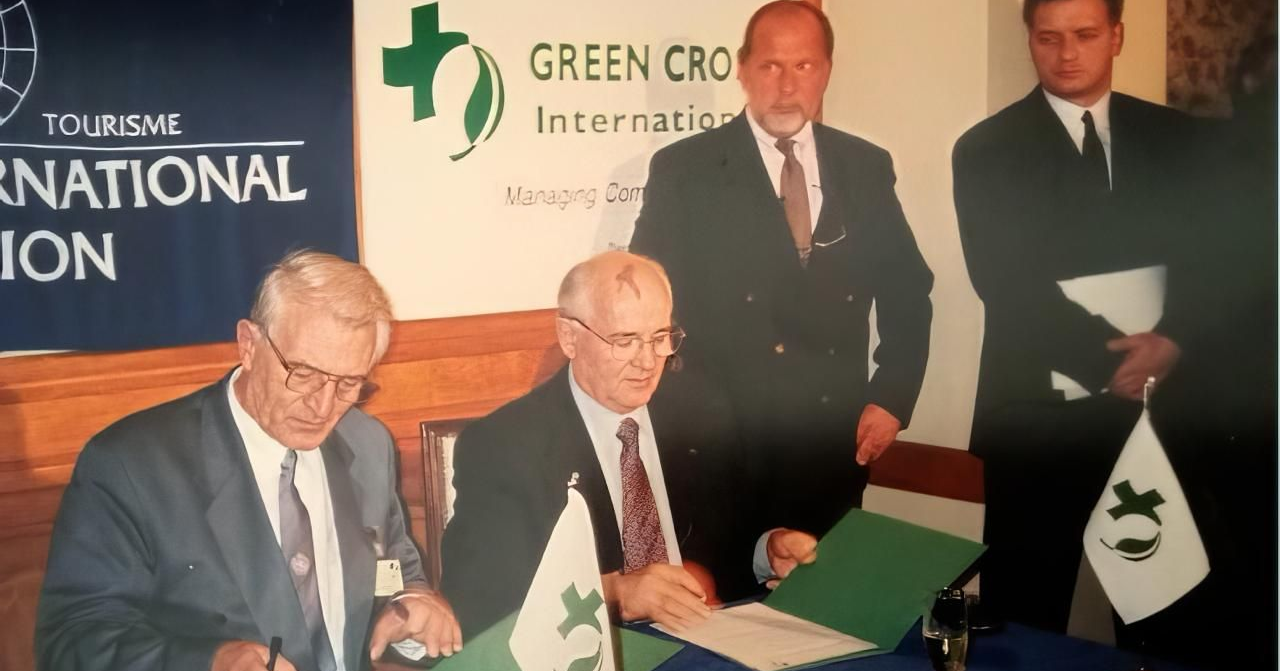
It is a dramatic, compelling story. It is also fundamentally wrong. When Mikhail Gorbachev founded Green Cross International in 1993, he recognized that ecological degradation and human security were deeply intertwined. However, he did not view environmental crises as inevitable catalysts for war. Instead, he saw them as urgent summons for diplomacy and calls to work together, using shared natural resources to build trust where political relations had failed.
Decades of historical data back up this perspective.
From Environmental Diplomacy to International Water Cooperation
The international community has long recognized that shared rivers require shared responsibility and cooperation. The 1992 UNECE Water Convention established an important framework for transboundary water management. Another major milestone was the 1997 UN Watercourses Convention, which entered into force in 2014.
Green Cross International translated Gorbachev's founding vision into action through its work on water diplomacy. As a partner in the UN Watercourses Convention Global Initiative, alongside WWF and the University of Dundee, Green Cross helped promote the Convention and encourage governments to ratify it. Its contribution was recognized in 2015, when WWF awarded Green Cross International its leaders for a Living Planet recognition for the organisation's role in brining the Convention into force.
This work formed part of Green Cross International's broader commitment to water diplomacy, including its former Water for Life and Peace Programme, which promoted dialogue, cooperation and the peaceful management of shared water resources. Today, as climate change, growing water pressures and geopolitical tensions increasingly affect shared river basins, this legacy remains highly relevant. Green Cross International's experience demonstrates that international cooperation is possible, and that shared water resources can become a foundation for trust and peace rather than conflict.
The Reality: Cooperation Beats Conflict
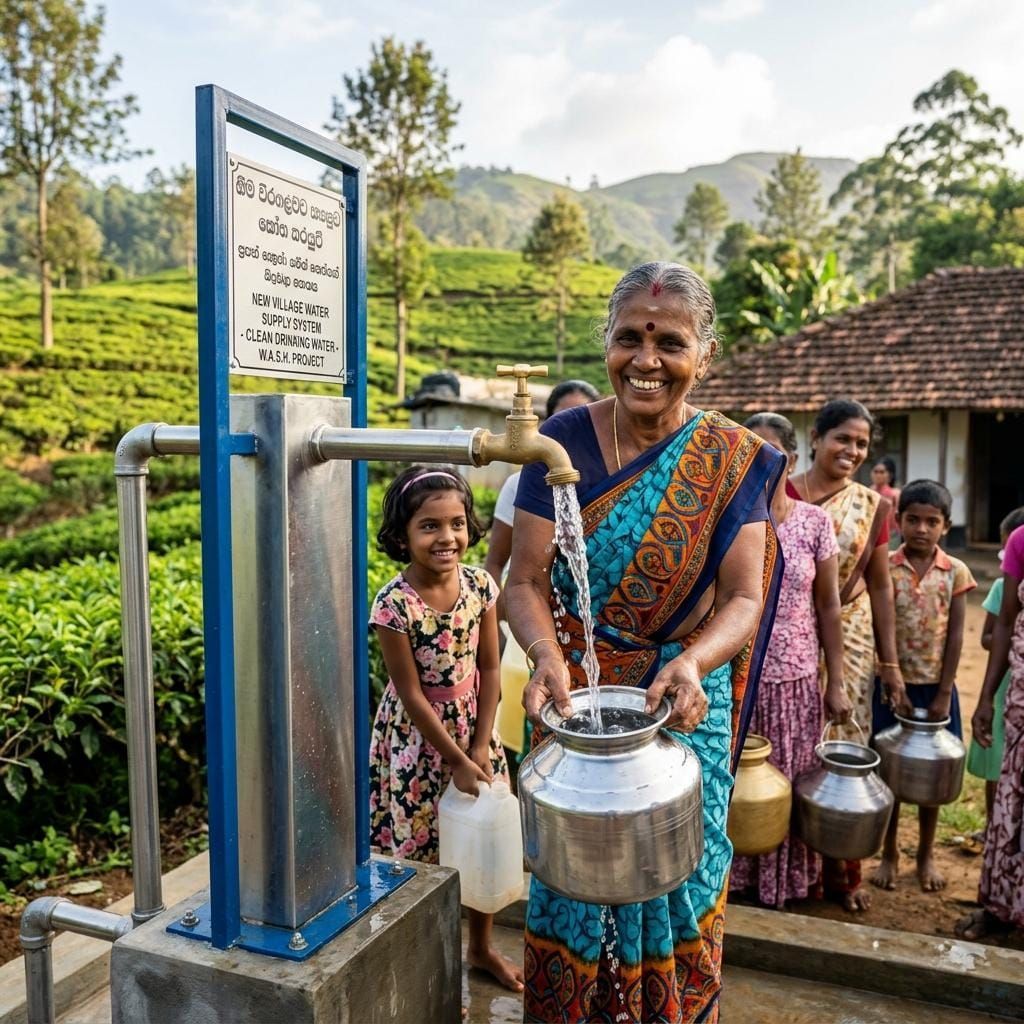
The popular story that water scarcity leads to war flies in the face of history. While pundits preach doom, nations share rivers quietly every single day. Over the last eight decades, rivals who couldn’t agree on trade, borders, or politics repeatedly found a way to agree on water.
During the Vietnam War, nations sharing the Mekong River never stopped exchanging daily hydrological data. Across decades of tense geopolitical standoffs and armed conflicts, the Indus river commission between India and Pakistan has quietly survived and kept communicating. Even in the Middle East, informal "picnic table" talks over the Jordan River laid the groundwork for cooperation long before formal treaties were signed.
Water is simply too essential to fight over, as going to war over a river usually means destroying the very infrastructure needed to drink from it. Research shows cooperative agreements outnumber disputes by more than two to one. Out of thousands of transboundary water interactions over the past half-century, fewer than 40 involved actual violence, while countries negotiated hundreds of lasting water treaties.
This quiet cooperation is the product of decades of intentional institution-building. Green Cross International, alongside partners like WWF, IUCN, and Dundee University, has long advocated for global legal frameworks like the UN Watercourses Convention and the UNECE Water Convention. Together, these conventions give riparian states a shared legal language for managing rivers jointly instead of unilaterally.
The Real Threat: Weaponization and "Water Nationalism"
If state-to-state “water wars” are largely a myth, where does the real danger lie? The true crisis of the 21st century is two-fold: the deliberate weaponing of water during internal conflicts and the rise of water nationalism.
In places like Sudan and Ukraine, we see water infrastructure targeted, seized, or destroyed. Reservoirs are blocked, treatment facilities are bombed, and clean drinking water is denied to hundreds of thousands of civilians. This is not a conflict
over water; it is the
use of water as a weapon of siege, causing severe public health crises like cholera outbreaks and mass displacements.
At the same time, growing “water nationalism” - the belief that a river belongs strictly to the country where it originates - threatens long standing international agreements. When governments treat transboundary rivers as private national assets rather than shared ecological systems, they undermine decades of diplomatic progress.
Moving From Fear to Action
Framing water through the lens of military threat actually hinders progress. When a resource is treated purely as a national security issue, generals take over negotiations, pushing out humanitarian agencies, local communities, and environmental experts.
Instead of preparing for imaginary “water wars”, the international community must focus on protecting human security and strengthening shared governance:
- Enforce Legal Protections: We must treat attacks on civilian water infrastructure as serious violations of International Humanitarian Law, ensuring water can never be used as a weapon of siege.
- Support Local Peacemakers: Neutral facilitators, long-term funding, and community-led initiatives are vital to keeping channels of communication open across shared river basins.
- Focus on Essentials Needs: Over 1000 children die every single day from water-related illnesses. The real crisis is not a shortage of weapons, but rather it is a lack of safe drinking water, proper sanitation, and equitable management.
Water does not have to divide us. By rejecting fear-based narratives and committing to work together, we can ensure that our world’s shared rivers remain what they have always been:
a bridge to a peaceful, resilient future.
To learn more:
- Wolf, A. T., Kramer, A., Carius, A., & Dabelko, G. D. (2006). Water Can Be a Pathway to Peace, Not War. Navigating Peace, No. 1. Woodrow Wilson International Center for Scholars.
- IHL in Focus (2025). Weaponizing Water and Humanitarian Collapse in Sudan: An International Humanitarian Law Assessment
- Allouche, J. (2026). Water nationalism, climate anxiety, and the myth of the coming water wars. Institute of Development Studies
- Green Cross International. Water for Life and Peace Program. Geneva Water Hub & UN Watercourses Convention Frameworks.
- World Wide Fund for Nature (2009). Everything You Need to Know About the UN Watercourses Convention.
Written by GCIHQ Team