
6.4MM endangered by uranium extraction
Sunil Chacko • June 29, 2018
6.4MM endangered by uranium extraction
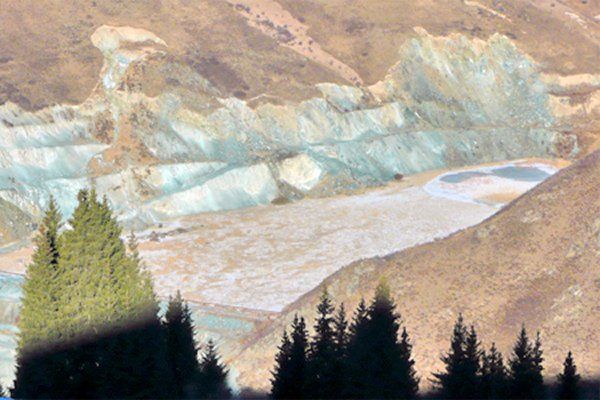
Study on the irradiation of uranium mines: 6.4 million humans are endangered by the extraction of uranium.
Uranium mining involves a high risk of exposure to radiation for both the environment and the population, with the inherent risk of deteriorating the health of those affected. The results of the study show that nearly 6.4 million people are subjected to radiation due to about 230 uranium-mining sites located near or within residential areas.
For the recording of radiation exposure, all uranium mine sites were analyzed, whether they are in operation, active or planned. Around the world there are some 13 companies that exploit uranium mining, which supply their products to 444 active nuclear power plants. An additional 63 plants are currently under construction. While Europe and North America had previously been the largest producers of uranium, representing more than 30% of total world production, currently the largest producers are in countries such as Kazakhstan (39%), Canada (22.5%), Australia (0.1%), Niger (0.05%), Namibia (0.05%) and Russia (0.04%). The remaining 38.26% comes from many other countries.
The study also highlights the fact that indigenous people are disproportionately affected by irradiation, especially in Australia, Africa and the USA. Indigenous peoples are disproportionately affected by irradiation from uranium mine sites, although they only account for a small part of the population. In the past in the United States, it was common to exploit uranium in small mines, known as “hovel” mines. There are a great number of these mines located within territories inhabited by the Navajo, which remain of concern today. Presently, the French atomic group Orano (previously known as Areva) operates uranium mines in the Tuareg region of Niger, where some 160,000 people are subject to radiation risk. According to research conducted by Green Cross Switzerland, Swiss nuclear power plants obtain their uranium from Orano.
Sites located near uranium mines become exposed to radioactive materials through tailings, wastewater tanks and the reuse of contaminated materials in construction. In addition, the health of the villagers is affected by the spread of dust from slag heaps in the fields and pasture, in the water and in the inhabited areas. Agricultural and animals products also come into contact with the fine-grained tailings resulting from the processing of uranium, which leads to their contamination.
Bern, 5 June 2018
Guest speaker Chief Oren Lyons, a Native American faithkeeper of the Turtle Clan, Onondaga Council of Chiefs, Haudenosaunee, Six Nations Iroquois Confederacy, delivered an impressive speech on contamination from uranium mining sites. The video of his speech can be accessed below:
Link Video :The Importance of Peace and Being a Part of Nature

Bringing Young People Together Through Art, Culture and Environmental Awareness

Reflections from World Environment Day in Geneva
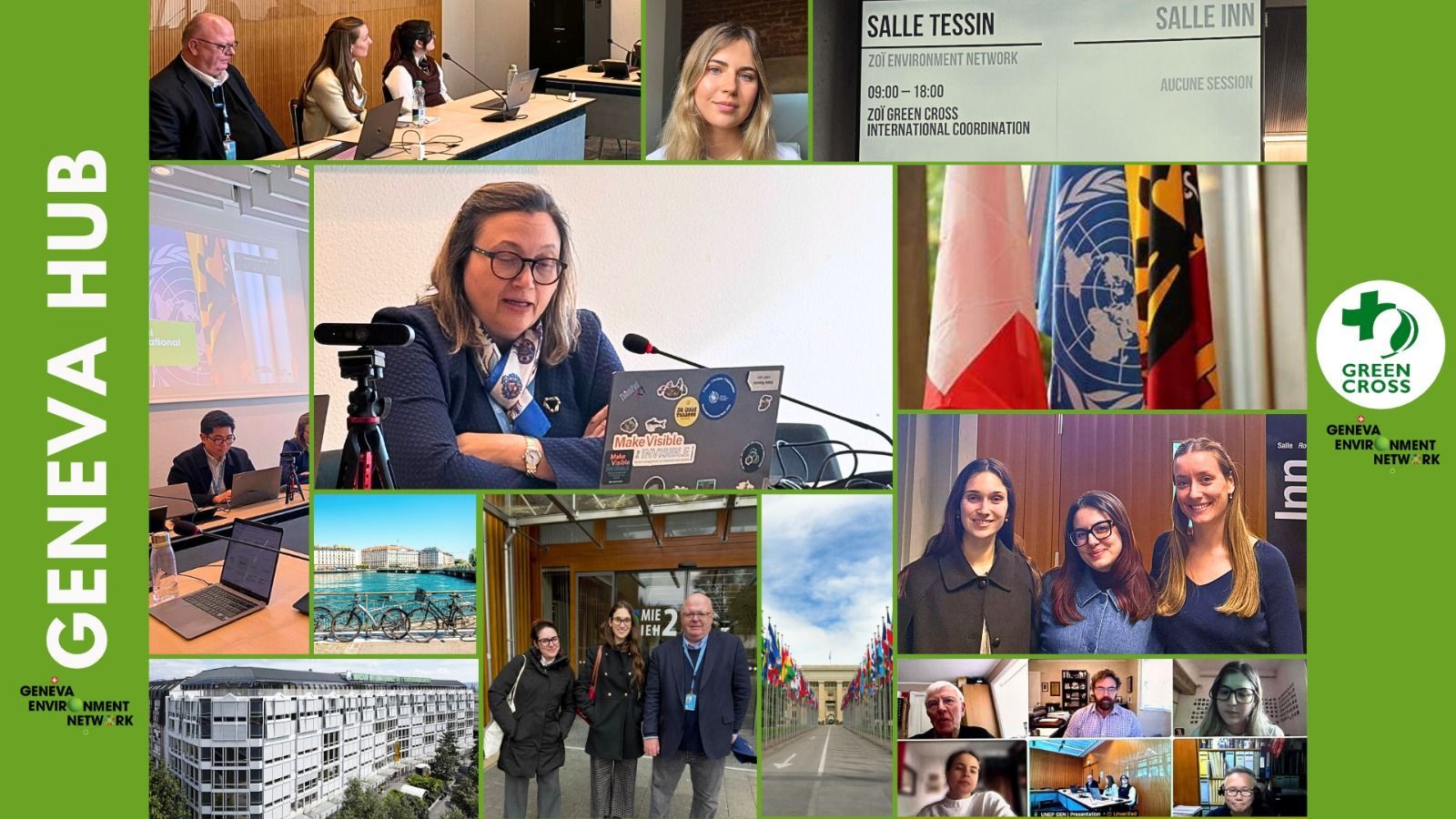
Green Cross International Rejoins the Geneva Environment Network
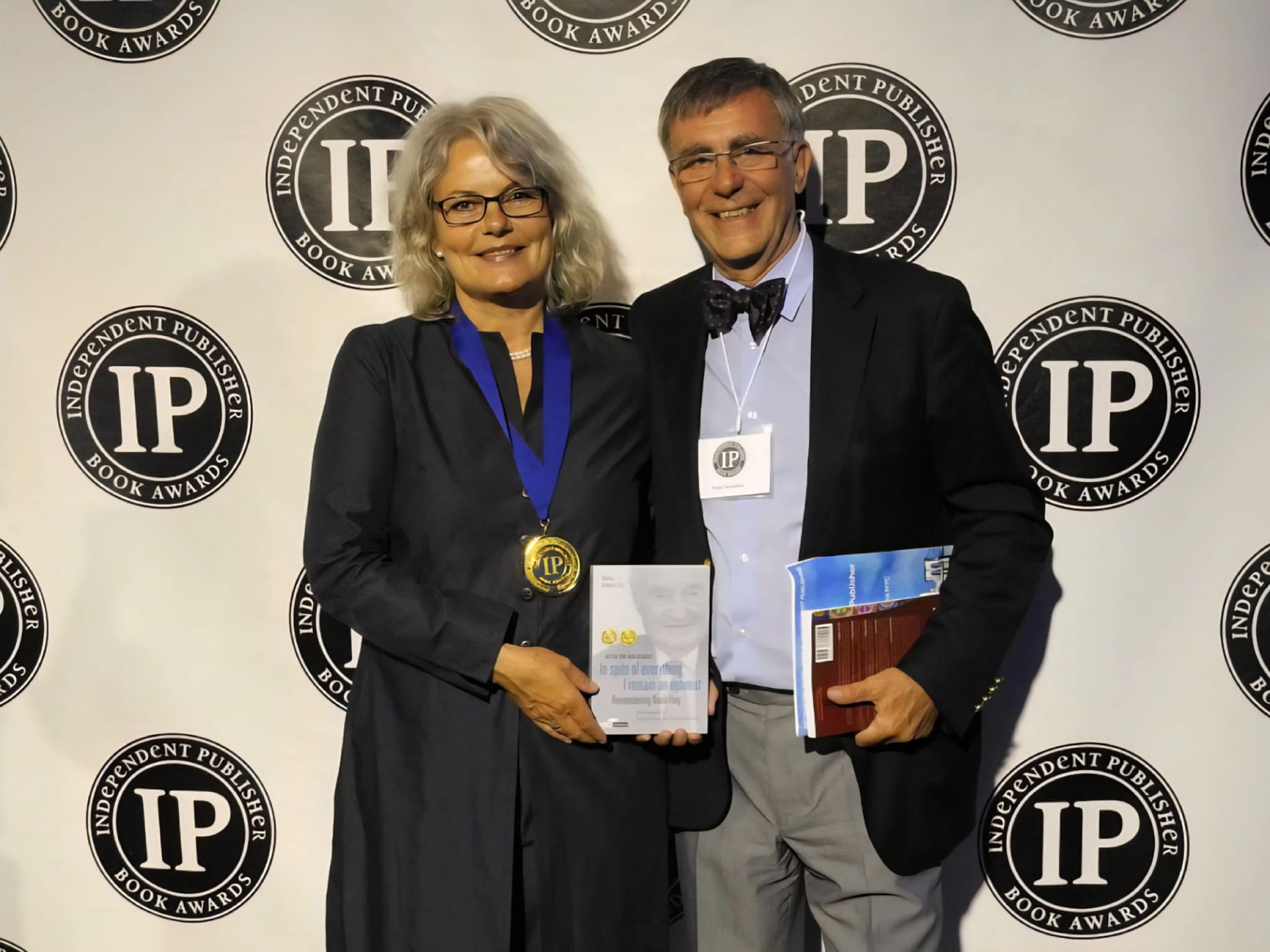
In Tribute to Bettina Schaefer – Celebrated Journalist & Author 29 January 1962 – 6 June 2025

Innovative Strategies that can transform our world and pioneer the future. The Women’s Summit showcased presentations from exceptional and inspirational women.

25 Years of the Earth Charter: A Legacy of Ethics, Sustainability, and Peace

Chemical Weapons in the Baltic Sea By: Major John-Olov Fridh Green Cross Baltic Sea Office, Sweden

ENVIRONMENTAL SYMPHONY: THE MOVEMENT UNITED NATIONS DAY CONCERT Performance for the United Nations New York City, United Nations Assembly Hall

Green Cross Humanitarian Aid to Ukraine Help refugees access to safe and Clean drinking water Help Ukrainian children experience a happy summer
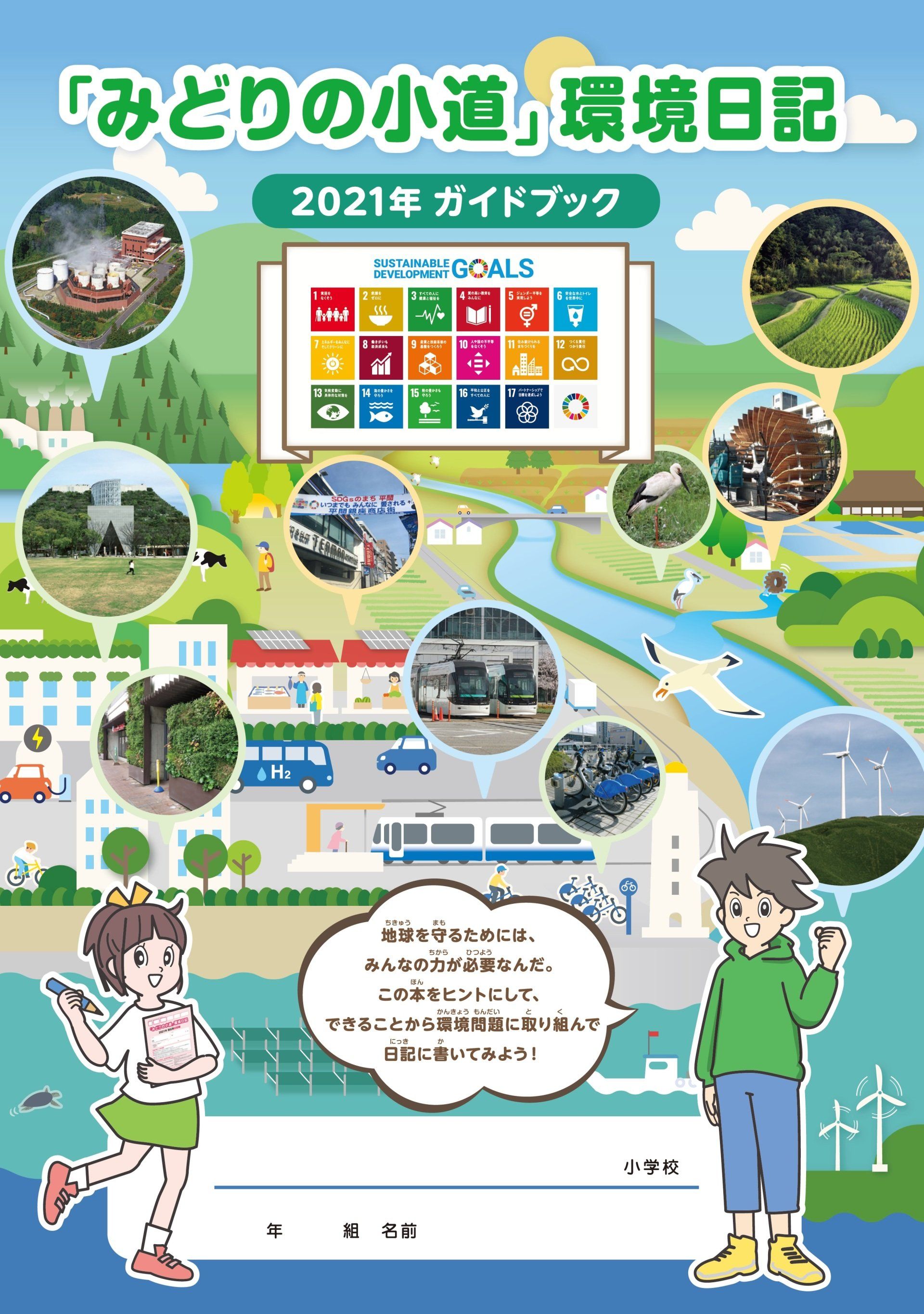
Green Cross Japan published the 2021 version of the Green Lane Diary in May, and began (free of charge) distribution to primary schools nationwide in Japan.