
GCI at the World Water Week in Stockholm
GCI Office • September 4, 2017
GCI at the World Water Week in Stockholm
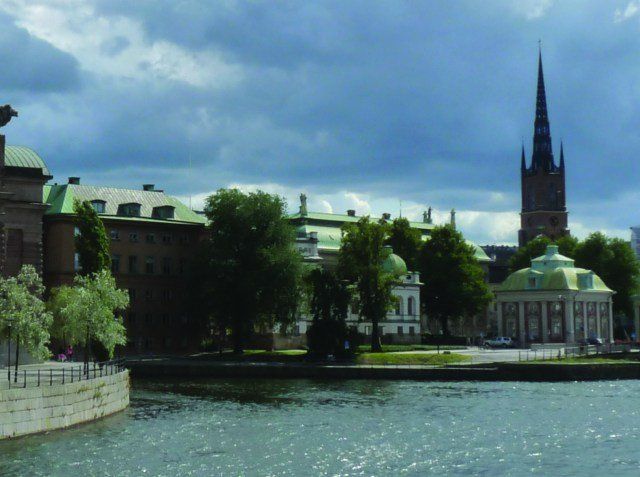
Pushing for an Enhanced Global Water Architecture
The international community adopted a Sustainable Development Goal dedicated to water in 2015 and is now assessing the relevance of a global water architecture, that would strengthen frameworks at all levels to achieve SDG6 and to better preserve, share and manage the world’s water resources. It is widely recognized that the water SDG is an orphan SDG within the UN system, with a too limited mandate for UN Water (i.e. the coordination of other UN bodies’ work) and a lack of global vision and concertation.
Marie-Laure Vercambre (left), GCI Water for Life and Peace Program Director, with Prof. Stephen McCaffrey, 2017 Stockholm Water Prize Laureate
GCI participated in the stakeholders consultations that defined SDG6 and strongly supported the idea of an enhanced global water architecture. It is in this context that this year, in Stockholm, GCI once again convened a session stressing the importance of international legal instruments (“International Water Law” assists with Transboundary water cooperation: years of patience, partnership and effort “paying off.”). The session benefitted from great attendance and gave the floor to eminent jurist Stephen McCaffrey, who drafted the UN Watercourses Convention within the International Law Commission in the 80s and 90s, and was awarded with the Stockholm Water Prize 2017 for his invaluable contribution. The session also allowed younger jurists to present their current work on new international water law developments.
Green Cross Sweden took the opportunity to interview Marie-Laure Vercambre the following questions:
Why is Water as a resource such an important issue for humanity, especially now in 2017?
Marie-Laure Vercambre: Water is a limited ressource and its amount hasn’t changed for billions of years! Its form changes all the time, as in ice, vapor or liquid form. We view it as abundant but only 3% of all water is fresh. The rest is salted water. Meanwhile, it is essential to life, to peace and for a sustainable future. Its essentiality explains why it is celebrated in all cultures and religions. Humans, however, use too much water and demand keeps growing. Pollution also reaches alarming rates in too many watersheds. The UN Food and Agriculture Organization estimates that, by 2025, 1’800 million people are expected to be living in countries or regions with “absolute” water scarcity, and two-thirds of the world population could be under “stress” conditions. There are also the purely humanitarian aspects of what is now called the global water crisis, where hundreds of millions of people still lack access to safe drinking water and 2.5 millions to basic toilets. The water crisis, in all its aspects, urgently needs to be tackled. Awareness is increasing, which is a reason to hope that we could work towards a more optimal utilization of our precious water resources, while leaving enough water to nature. These are the things we discussed at the World Water Week.
Why we should support Indigenous Peoples worldwide as Water Protectors?
Marie-Laure Vercambre: Most Indigenous Peoples revere nature, Nature’s Spirits and Mother Earth so it is clear that as we support them, like we support nature conservation. As an NGO that promotes peace, development and environmental preservation, Green Cross is on their side. We place the fulfilment of human rights, including Indigenous peoples’ rights, at the heart of sustainable development. It is important to remember that many countries have recognized Indigenous Peoples rights in the UN Declaration on the Rights of Indigenous Peoples in 2007. They recognize them and yet, clearly, provisions such as Article 29 are seldom respected. Within the international community, we know what needs to be done: to strengthen environmental preservation and to effectively implement fundamental human rights for Indigenous Peoples have an undeniable case when they request that their land and water resources are protected. We would of course all benefit from it.

Honouring Štěpán Kyjovský, Pioneer of Environmental Education Co-founder and Honorary President of Green Cross Czech Republic
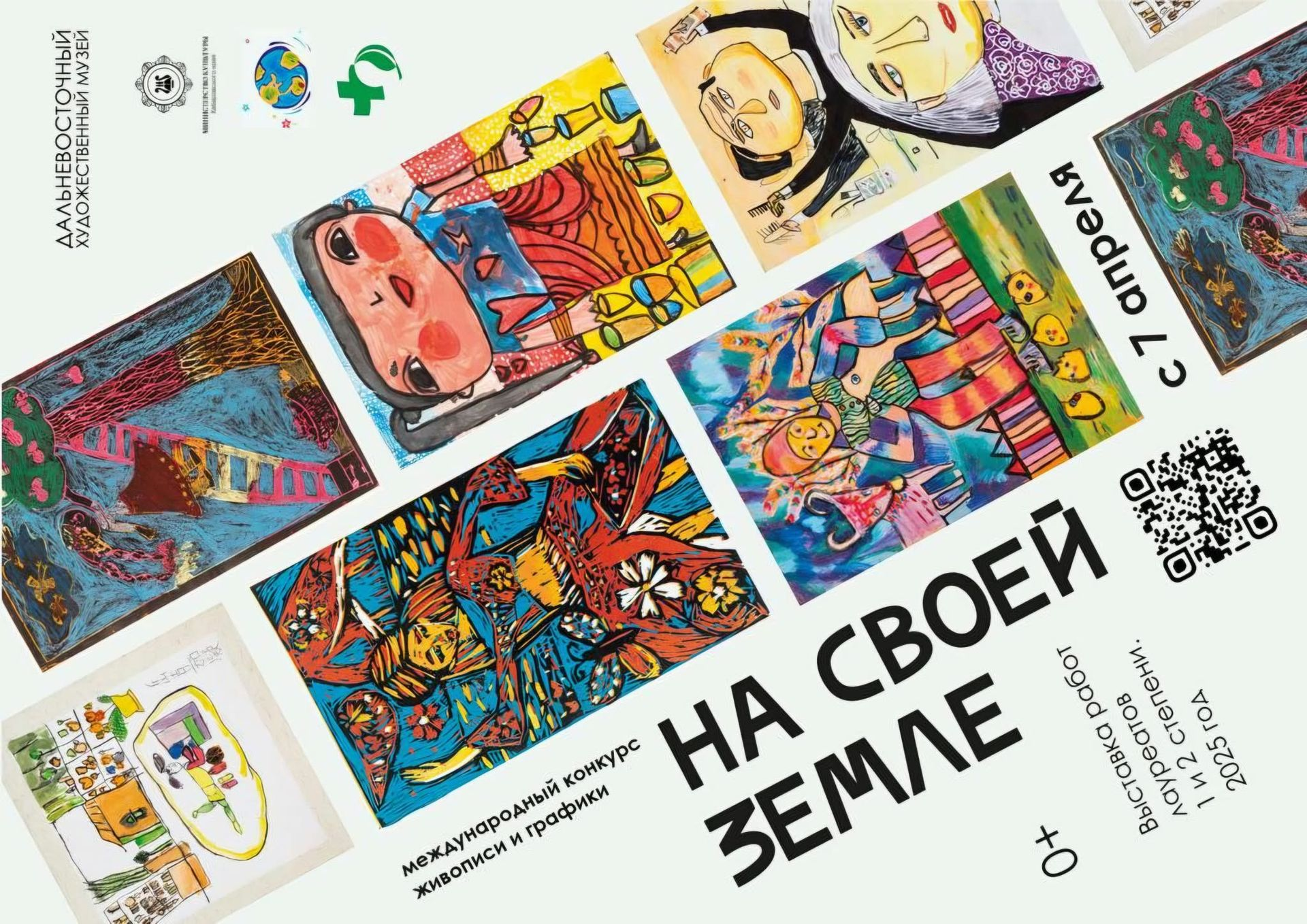
In My Homeland: Connecting Young Artists Across Borders Through Art Bringing Young People Together Through Art, Culture and Environmental Awareness
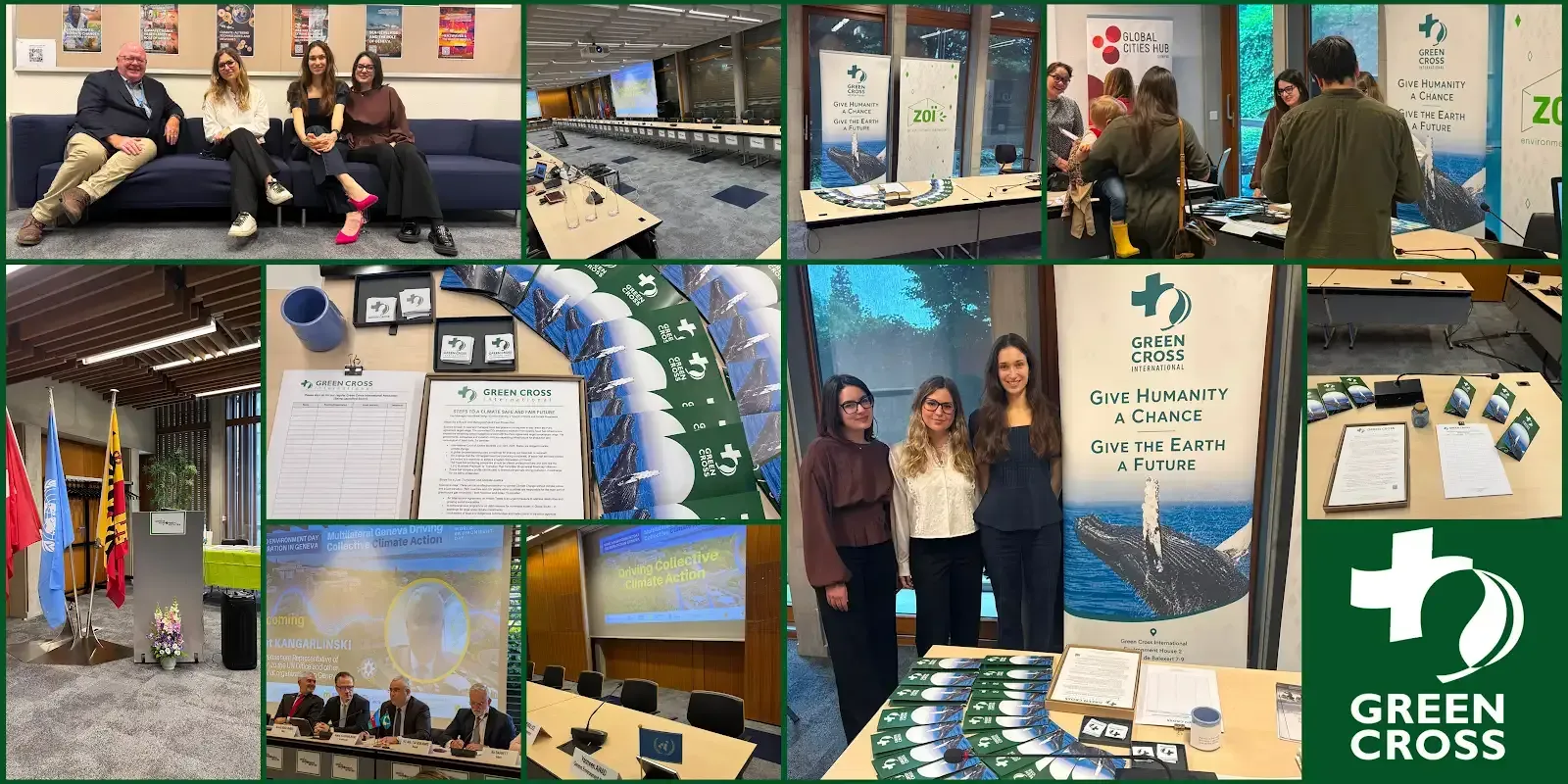
From Climate Commitments to Climate Action Reflections from World Environment Day in Geneva
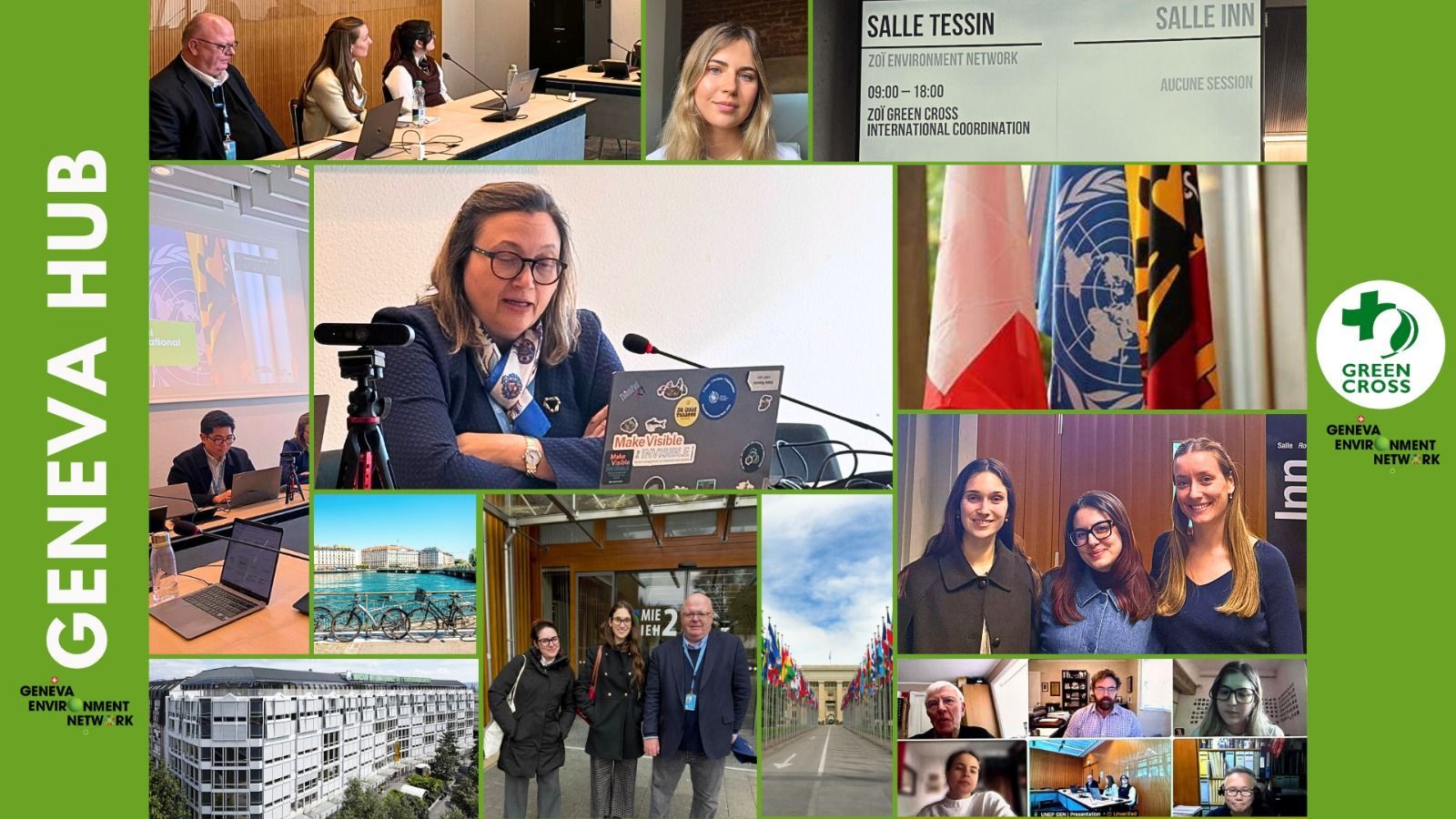
Green Cross International Rejoins the Geneva Environment Network
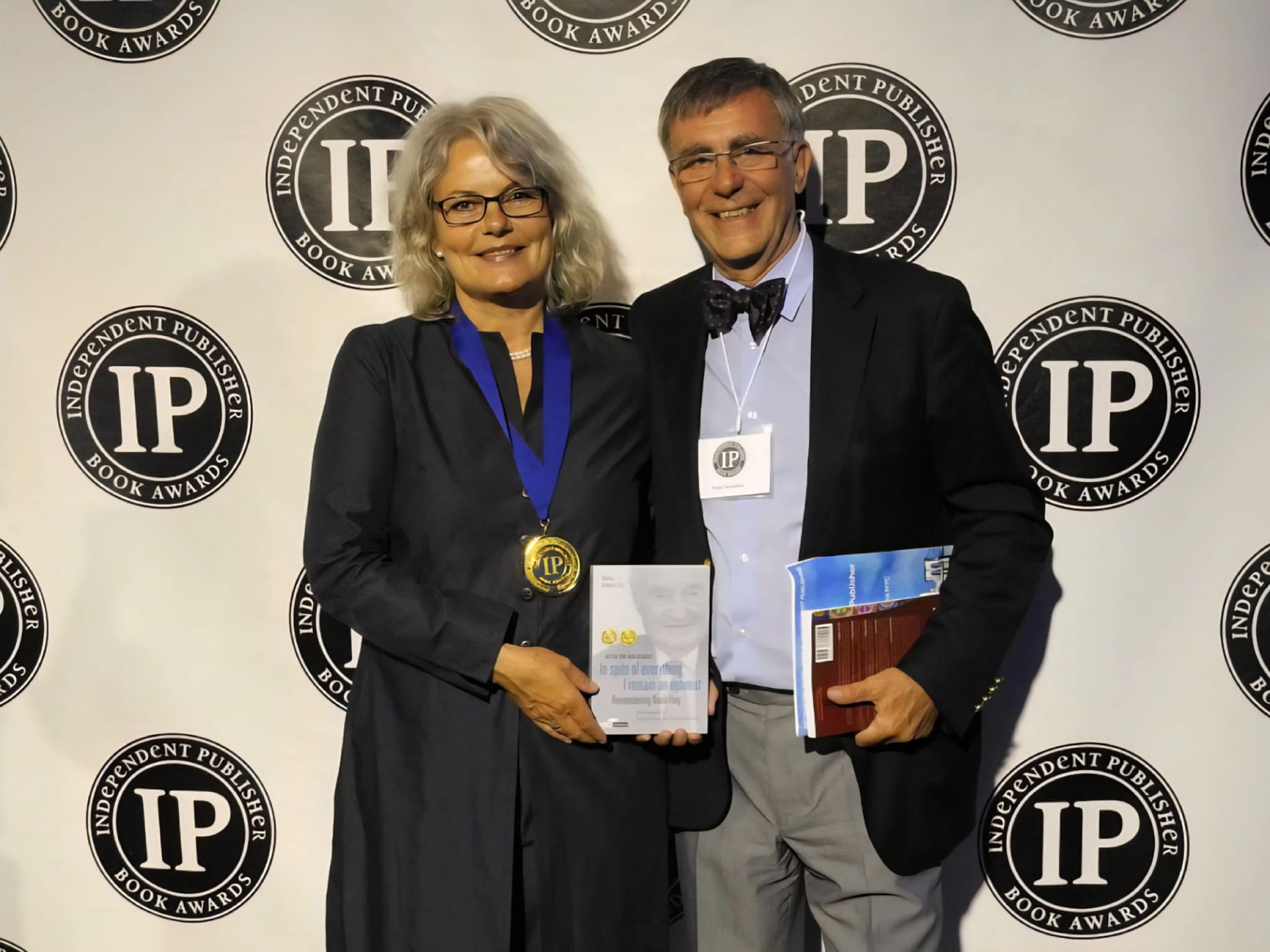
In Tribute to Bettina Schaefer Celebrated Journalist & Author 29 January 1962 – 6 June 2025
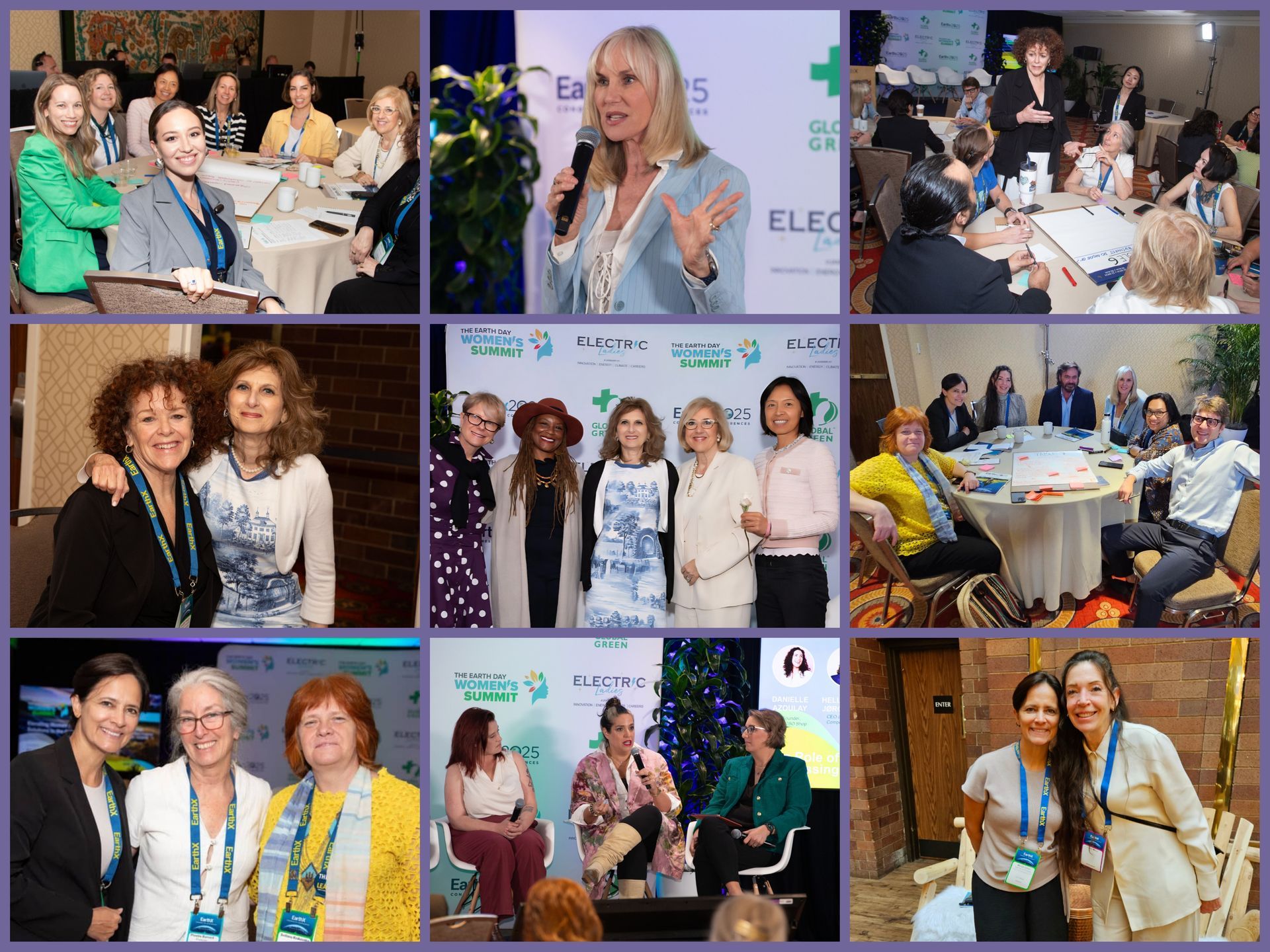
The Earth Day Women's Summit Innovative Strategies that can transform our world and pioneer the future. The Women’s Summit showcased presentations from exceptional and inspirational women.
25 Years of the Earth Charter: A Legacy of Ethics, Sustainability, and Peace
Chemical Weapons in the Baltic Sea By: Major John-Olov Fridh Green Cross Baltic Sea Office, Sweden
ENVIRONMENTAL SYMPHONY: THE MOVEMENT UNITED NATIONS DAY CONCERT Performance for the United Nations New York City, United Nations Assembly Hall
Green Cross Humanitarian Aid to Ukraine Help refugees access to safe and Clean drinking water Help Ukrainian children experience a happy summer